
• Home
  • RSS
  • Contact
POWERED BY

Dry Skin Moisturizer-Good Tips-How to Moisturize?

Dry skin can effect children and adults. The cause of dry skin can be the climate you live in; sun can do damage to your skin. Whether outside enjoying an activity or working outside; you need to protect your skin. The hot sun can dry the skin severely; to the point the skin will become cracked. There are several items that you can use to moisturize the complete body. Be good to your body and your body will return the favor.

Tip#1
Facial Moisturizing
http://images.teamsugar.com/files/upl1/2/20652/29_2008/FaceCreamandWoman.jpg

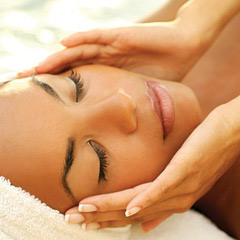
Moisturize the face daily. Keeping the face nice and smooth. Protecting the facial skin from damaging sun rays. Jergens and or Aveeno moisturizer is very good.

Tips#2
Moisturizing The Arms, Elbows And Hands

Anytime of the day it is a good idea to moisturize the arms, elbows and hands. Especially if you are a person that works with different types of chemicals or cleaning products. Massaging a moisturizer on daily will protect your skin.

Tip#3
Bath Beads

When you are pouring your bath water place a few moisturing bath beads in the hot water. The bath beads will moisturize the complete body.
Drenched is a dry skin moisturizer that is gentle enough for your face, but strong enough to use from your head to your toes…yes, it’s true.

The use of a moisturizer is essential in preventing dry skin and helping skin return to its normal hydrated state. However, not all moisturizers were created equal. Drenched moisturizer contains several key ingredients that make it a very effective moisturizer for dry skin. Restore your skin to its soft, smooth, and healthy look. Using Drenched dry skin moisturizer is a way of preventing your skin from becoming dry and is an essential tool in effective healthy skin care.


Drenched Dry Skin Moisturizer Contains the Following Key Ingredients:


Aloe Vera:http://www.valeopharma.com/images/produits/form405.jpg Aloe gel has been used for centuries as a dry skin moisturizer in skin care. Aloe gel has produced startling results in replenishing lost moisture from the skin and is an effective ingredient to have in a dry skin moisturizer. When applied to skin injuries, minor wounds, chemical or radiation burns, poison ivy, rash, etc., Aloe vera has been shown to help heal the skin very quickly with dramatic results. Aloe vera is also well known for its’ carrying benefits. When used as a base ingredient Aloe vera helps to quickly and efficiently deliver other nutrients into the skin – helping to increase their effectiveness and performance.

Jojoba Oil: Research shows that insaponifiables applied to skin increase the dermal state of elastin. Starting from our early twenties (even younger if we spend a lot of time in the sun), our skin starts to lose its elasticity. All vegetable oils contain insaponifiables to some degree, most around 2 to 3%. JoJoba has 50%. Used daily in your skin care program, Jojoba Oil helps diminish fine lines and wrinkles. It is suspected that jojoba oil "tricks" the skin into stopping the production of sebum through somehow mimicking sebum. This also means that jojoba oil will assist in breaking down sebum in plugged-up pores. Sebum and jojoba oil will mix readily without sealing off the skin pores.

Rosemary Extract: Known for its astringent, toning, stimulating, deodorant, antiseptic, antibacterial, softening, and invigorating properties. Also, has been shown to help skin regenerate in wound-healing.

Lemon Extract: It's botanical attributes include: antibacterial, antiseptic, astringent, and toning.

Borage Extract: Known for it's anti-inflammatory properties.

Propylene Glycol: This clear, colourless liquid has superb permeation through the skin and excellent humectant properties; softens and moisturizes the skin.

Vitamin E: Known as "tocopherol" linoleate or acetate. Vitamin E is an important ingredient in a dry skin moisturizer product because it penetrates the stratum corneum and maintains moisture levels of the skin for long periods of time (16 to 24 hours). It accumulates in the epidermis and forms a barrier against moisture evaporation from the skin. An anti-oxidant, Vitamin E helps prevent free radical damage in the skin tissues.

Retinal Palmitate (Vitamin A): Known as "retinyl" palmitate. Reduces skin dryness and flaking, and aids healthy cell reproduction. Applied topically, it activates the epidermis and helps the skin cells of the stratum corneum bind together.

No product testing is performed on animals.


dry skin moisturizer

Dry Itchy Skin-Top Tips-How to treat dry skin?

Tips for Dry Itchy Skin
Dry skin can make you crazy – the redness, flaking and itchiness. Lathering on moisturizer can help, but it’s not enough. These 10 tips will soothe. Plus, test your skin smarts with our quiz…

Dry air can cause your skin to become dry and itchy. In your home, use a humidifier to put moisture in the air during the winter and in dry weather.

Dry skin isn't usually serious, but it looks ugly and is infuriating. But before you go running to the dermatologist, here are 10 tips to try at home:

1. Put Down the Soap
Do you wash your dry skin with soap and water? You’re stripping away the skin’s protective natural oils along with dirt and grime.

Switch to cleansing creams, gentle skin cleansers or bath or shower gels with moisturizers, not harsh soap. Your skin should feel soft and smooth after washing, never tight or dry.

“Use fragrance-free, non-detergent, neutral-pH products to cleanse your skin,” says Monica K. Bedi, M.D., a Florida-based dermatologist.

Try mild soaps such as Cetaphil, Aveeno, Neutrogena, Basis or Dove. Experiment with several brands until you find the right one.

f your skin is so dry that it itches, apply cool compresses to the irritated area. To reduce inflammation, use a nonprescription cream or ointment containing at least 1% hydrocortisone.

For a natural Rx, try aloe or a tepid water-oatmeal mixture on the irritated area.

2. Soak Your Skin with Moisturizers
What if you don’t want to give up a lifelong Ivory soap routine?

About 75% of dry skin problems can be solved with one step, says dermatologist Morgan P. O’Donoghue: “After bathing in tepid water, moisturize immediately to help trap water in the surface cells, then pat dry.”
http://www.nutralegacy.com/blog/wp-content/uploads/2009/03/dry-itchy-skin-12.jpg

Thicker creams – like Eucerin, Cetaphil or Lubriderm – work better than lotions. And look for cosmetics with moisturizers.

If your skin is extremely dry, apply baby oil or almond or vitamin E oil while it’s moist. Oil has more staying power than moisturizers and prevents water evaporation.

3. Rub-a-Dub-Dub, Don’t Soak in the Tub
The longer you're in water, the more skin oils you lose. So limit baths and showers to five minutes or less and use tepid, not hot, water, O’Donoghue says.

Cleaning your face once a day – either morning or evening – should be enough to remove an average day’s buildup of dirt and oil. If your skin doesn't feel fresh, rinse with cool water in the morning and use a cleanser only at night.

Also, lose the washcloth – it may irritate very dry skin. Instead, use your hands or a sponge.

4. Moisturize Your House
Keep your home between 68 and 75 degrees, and use a portable humidifier to maintain moisture levels at 40% to 50%.

Tabletop humidifiers work for a single room, but require frequent fillings, sometimes several times a day. They also need careful cleaning to prevent growth of bacteria and fungi in the tank. Put it in your bedroom to hydrate your skin as you sleep.

If you have severely dry skin or live in an arid climate, consider installing a humidifier that's built into your forced air heating and cooling system. It’s costlier but may be worth it in the long run.

5. Wear Skin-Loving Fabrics
Natural fibers like cotton and silk allow your skin to breathe. When you wash clothes, use fragrance-free detergents that won’t irritate and skip fabric softeners, Bedi says.

6. Run from the Sun
Besides skin cancer, those warm rays can also cause dryness, wrinkles, rashes and blisters.


So apply sunscreen liberally to all exposed areas 30 minutes before you go outside, even on foggy or cloudy days. (Don't forget your ears, hands and the back of your neck.) Reapply regularly.


Not sure what to buy? Look for a UVA/UVB sunscreen with Parsol 1789, titanium oxide or zinc oxide, and a sun protection factor (SPF) of 15 or higher. Many moisturizers also contain sunscreen, which hydrate and protect skin in one easy step.


Avoid direct sun exposure, especially between noon and 3 p.m. If you must be outside, cover up and wear a shading hat or carry a parasol.


7. You Are What You Eat
A diet rich in vegetables, fruits, grains, seeds and nuts is good for you inside and out. Certain foods, like avocados with inflammation-reducing niacin, improve a complexion. Eat yellow and orange produce, such as carrots, cantaloupes and apricots, which are full of healthful antioxidants and vitamin A, which fight skin-aging free radicals. If you don’t eat a balanced diet, take a daily multivitamin.

Avoid alcohol and caffeine because they’re diuretics, and cause the body and skin cells to lose fluids and important minerals.

8. Live Healthy
Don't smoke! Besides its obvious health risks, smoking damages the skin. Nicotine constricts blood vessels, including the tiny capillaries that feed the skin, which deprives it of the oxygen and nutrients it needs to thrive.

Get enough sleep, because that’s when skin cells renew themselves best.

And don’t forget your daily workout: Exercise boosts circulation and encourages blood flow to all parts of the body.

9. Fight Dry Feet
Low humidity depletes skin of its natural lipid layer, which prevents your skin from drying out. To counteract the lack of moisture in the air, try coating your feet in thick lotion and sleeping in cotton socks at night.

For ultra-dry skin, cover your feet in a creamy lotion, wrap them in Saran Wrap and pull on a pair of socks for a couple hours. Nap or relax while the moisturizer soaks in. You don’t want to slip while walking around.

10. When All Else Fails, Seek Medical Treatment
See a board-certified dermatologist if you have one or more of the following symptoms, says O’Donoghue and Bedi. The underlying causes could be diabetes, low thyroid condition, liver or kidney disease, or cancer, especially lymphoma:

- Your skin doesn't improve in spite of your best efforts.

- Dryness and itching are severe enough to keep you awake.

- You have open sores or infections from scratching.

- You have large areas of scaling or peeling skin.


Dry Skin Lotion-The best dry skin care lotion-Skin Care

The outer layer of skin is made up of dead skin cells, natural oils and lipids (fats). It is designed by nature to protect your deeper layers of skin from irritants and toxins. Most soaps and cleansers contain fragrances, colorants, antibacterial agents and many other ingredients that strip away these protective elements of the outer layer of skin.
Independent lab test shows shielding lotions are the most effective dry skin care product.

Gloves In A Bottle is a shielding lotion that rapidly absorbs into, and bonds with, the outer layer of skin creating a protective layer while retaining the natural moisture from within. This makes it the perfect dry skin care product.

It does not wash off, but comes off naturally with exfoliated skin cells. Just reapply every four hours for continued protection.

It's greaseless, non-sticky, fragrance-free, hypoallergenic, completely safe and non-toxic.

Used and recommended daily for dry skin conditions by a wide range of healthcare professionals.


Help moisturize dry skin with Gloves In A Bottle

irritants that rob your skin's natural moisture

Bad Stuff:
Irritants robbing skin of natural oils & moisture.

natural moisture and oils

Good Stuff:
Skin's natural moisture and oils.

protection created when Gloves In A Bottle is applied to the skin.

Protection:
created when
Gloves In A Bottle
is applied to the skin


Help moisturize dry skin with Gloves In A Bottle

irritants that rob your skin's natural moisture

Bad Stuff:
Irritants robbing skin of natural oils & moisture.

natural moisture and oils

Good Stuff:
Skin's natural moisture and oils.

protection created when Gloves In A Bottle is applied to the skin.

Protection:
created when
Gloves In A Bottle
is applied to the skin


Conventional moisturizing lotions only attempt to replace the loss of natural moisture with artificial moisture, but come off every time you wash or touch something.

Have you ever stopped using artificial moisturizers (conventional lotions) only to experience an episode in which your skin actually became drier than it was before you started using them?

When you apply artificial moisture (conventional lotions) to the skin's surface you are often sending the body the wrong signal - that your skin is being adequately moisturized, when in fact it is actually dehydrated of natural moisture. This "wrong signal" often results in the reduction of your skin's own production of the natural moisture needed to actually resolve a dry skin condition.

In order for any moisture to actually improve a dry skin condition more than for a few minutes or a little longer, it needs to get below the second major layer of skin. In reality, the only moisture that is going to reach this level in sufficient quantities to resolve a dry skin problem over the long term is your skin's own natural moisture.

A far better solution is to assist your skin in producing more natural moisture - not less.

Until now, all one could do to alleviate a dry skin condition was apply conventional lotions (artificial moisture). These are designed to just temporarily mask dry skin by placing artificial moisture over the top of it.

Unlike artificial moisturizers, Gloves In A Bottle is a shielding lotion that bonds with the outermost layer of skin cells to turn it into what works like an invisible pair of gloves.

These "invisible gloves" prevent dry skin by helping to keep moisture-robbing irritants out while better retaining your skin's own natural moisture, resulting in skin that is far better hydrated, over the long term, than what can ever be achieved by conventional lotions.

Read what many dermatologists say about Gloves In A Bottle.

Many household and workplace chemicals, and even cosmetics and fragrances, are absorbed directly into the skin, often causing skin disorders or just plain cracked, dry skin. When cleaning, cooking or participating in activities from gardening to painting, skiing to fishing, or exposure to harsh weather, you are further drying and irritating your skin.

When you know you should be wearing gloves, but can't or just don't want to because they are also drying or irritating, at least wear Gloves In A Bottle.

One application of Gloves In A Bottle lasts four hours or more and comes off naturally as you exfoliate the outer most layer of skin cells.

Dry Facial Skin- How To Treat?

Reasons for dry skin include a variety of conditions such as too much sun, windburn, harsh soaps and cleansers, aging and even diet. Insufficient water can dry your skin overnight. Start working on dry skin problems by increasing your water intake.
About 1 in 32 people in the U.S. (over 8 million people) suffer from dry skin. Healing dry skin on the face can be far trickier than it seems. You must battle dry facial skin on three fronts. Prevent dry facial skin by finding and eliminating habits that might be causing or worsening it. Next, deeply hydrate the skin. Last, reinforce the lipid barrier.

Step 1

Identify the culprit(s). Look for things that could be making your dry skin worse. Antihistamines and other medications can make skin feel tight and dehydrated. Alcohol consumption, smoking and sun exposure rob skin of moisture and break down the protective lipid barrier. Common products like whitening toothpastes can dry the area around the lips and mouth. Air conditioners and heaters can also aggravate dry skin.

Step 2

Wash your face with very mild, soap-free cleansers made for dry skin, and pat your skin dry-don't rub. How you physically treat your skin is just as important as the skin care products you use.

Step 3

Use a moisturizing toner (no alcohol) after cleansing. Toners and conditioners prepare the skin for better absorption of your skin care products, resulting in far better hydration.

Step 4

Look for skin care treatments with both humectants and lipid barrier ingredients. Humectants are water-binding agents like hyaluronic acid that attract moisture to your skin. Lipid barrier ingredients, like ceramides, reinforce the natural protective barrier of the skin to keep moisture in. Treatments that have "time-release" ingredients are helpful. Choose a rich eye cream (not a gel) and apply to the orbital bone around the eye.

Step 5

Choose products from skin care lines that are fragrance, dye and alcohol free to reduce the chances of irritation.

Step 6

Wear sunscreen to combat one of the most common causes of dry skin. Minimize free radical damage from sun exposure to keep the skin's lipid barrier functioning well.

Step 7

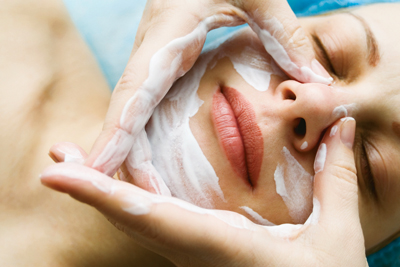
Once or twice weekly, use a creamy, hydrating mask to give your face a boost of moisture.

Dry skin care-Milk Mask for Dry Skin

Milk Mask for Dry Skin
This recipe makes a mask for two


Ingredients:

  • 1 tsp powdered milk
  • 1 tbsp runny honey
  • 1 tsp aloe vera gel
  • 2 drops essential oil

Preparation:

This is a classic milk mask for the face. Mix ingredients well, apply to face, let sit for 15 minutes, wash off with warm water. This recipe is enough for two. (Note: The original recipe called for 1 tbsp pulverized almonds, but I have removed it from the ingredients list because almonds, no matter how pulverized, can tear at skin).

Skin Care-Yogurt Face Mask for Sensitive or Sunburnt Skin

Yogurt Face Mask for Sensitive or Sunburnt Skin

This mask is great for soothing chapped, sunburned or otherwise irritated skin.
Extra tip: This mask works well for other skin types as well. For oily skin, add a couple drops of lemon or lime juice. For dry skin, mix in a couple tablespoons of honey.

Ingredients:

  • 1 cup natural yogurt (we like it just-out-of-the-fridge cold)
  • ½ cup oatmeal (any type of basic oatmeal works here)

Preparation:

Mix the ingredients together.
Apply to the skin for 10-15 minutes.
Wash off mask with a washcloth steamed in the microwave (careful that it's not too hot).

Two other fun options for oatmeal face masks:
Egg whites. Mix the oatmeal and an egg white. Let the mixture dry on face, then gently wash off with a few splashes of warm water. Follow with a steaming washcloth to the face.

Peptol-Bismol. A friend of mine uses Pepto-Bismol with oatmeal for her masks. She got this tip years ago from a magazine. She suggests the active ingredient (bismuth subsalicylate) in Pepto-Bismol soothes your stomach as well as your face.

Mold Allergies - Symptoms-Treatment

Mold Allergy Symptoms:

The symptoms of mold allergies are very much alike other allergic reactions. Sufferers encounter various problems from a runny or blocked nose, skin rashes, itching, sneezing, and wheezing. Reaction times can fluctuate dramatically from immediate to delayed. The mold spores can produce hay fever symptoms by landing on the nasal linings. If the mildew should travel further and reach the lungs, asthma type reactions can be provoked.


The person who is allergic to the outdoor molds will find their symptoms tend to worsen through the peak of summer. This is due to thawing molds flourishing on the plant life that has been killed off with the snow and frosts of winter. Snow does not kill molds, but does significantly lower the counts of the outdoor molds. If you live in a milder part of the United States, you may find that your problems are with you year round, as there is no cold winter to repress the molds.

The indoor mold sufferer will encounter their problems all through the year, as the outdoor weather does not impact on the indoor molds. Some mold allergy sufferers find their symptoms worsen when they consume certain foods. These bothersome foods tend to be dried fruits, mushrooms, cheeses containing fungi, vinegar, soy sauce, and foods with yeast as an ingredient.


Where do Molds Live?

All molds need oxygen, moisture and various other nutrition to thrive. Indoor molds love bathrooms, air conditioners, damp basements, old foam pillows, indoor plants, closets, upholstered furniture, humidifiers, and mattresses. Outdoor molds thrive in shady, damp places, favoring compost piles, rotting vegetation, weeds, and grasses. Their peak growing time is in the fall months. Greenhouses, breweries, bakeries, dairies and barns are all preferred places to grow.

All mildew and molds are fungi. The seeds, or spores, are carried by air currents indoors, and by the wind outdoors. Some spores require fog or humidity to be released and other spores will only be spread when the wind is dry.

Who is at Risk of Mold Allergies?

People who are allergic to dust mites are more at risk of being allergic to molds, as are those who are allergic to animal danders or pollens. Family histories of these allergies also increase a person’s risk.

Mold allergies are significantly increased in people who are employed as wine makers, bakers, furniture repairers, loggers, greenhouse workers, dairy farmers, carpenters, and mill workers. The most accurate way to determine which particular mold you are allergic to is to have skin testing performed. There are thousands of molds, mildews, and yeasts, but generally, there are approximately 10 molds that are the most significant allergically.

Mold Allergy Treatment:

There are simple measures you can perform to reduce your exposure to mold spores. These include:

Increasing the thermostat in the basement.
Remove any carpet from your bathroom and install a bathroom fan. Clean your bathroom regularly to keep the mildew levels down.
Reduce the humidity in your house and ensure your air conditioner has a HEPA filter.
Increase the drainage in your garden.
When mold counts are high keep indoors. To avoid unnecessary exposure to spores wear a face mask when gardening or mowing the lawns in summer.
Antihistamines, nasal sprays and allergy shots can all help alleviate those nasty symptoms.

Face Mask-Homemade Face Mask for Ashy Skin-skin Care

Homemade Face Mask for Ashy Skin:
ugar is a preferred exfoliant to salt because it tends not to tear at the skin. When dead skin collects on the surface of skin, it's important to slough it away. This helps clear up clogged pores. When skin isn't exfoliated, it can appear ashy.


Ingredients:

  • 2 tbsp sugar
  • 3 tbsp warm water

Preparation:

Stir sugar into warm water so that it melts.
Make sure granules are dissolved, otherwise they could tear your skin.
Apply to the face.
Gently massage around the skin.
Rinse with warm water OR I like to take a warm washcloth that's steamed in the microwave. Make sure the washcloth is not too hot.

Clay mask-Homemade Clay Masks for All Skin Types-Skin care

Homemade Clay Mask for All Skin Types

Masks (homemade or otherwise) should stay on for 10-15 minutes. Follow with a cleansing and a thin layer of moisturizer.


Ingredients:

  • 1½ tsp green clay (French is preferred)
  • ½ tsp kaolin clay
  • 1½ tbsp aloe vera gel
  • 1 tbsp rosewater
  • 2 drops rose essential oil
Clay Masks
http://www.denisefuller.biz/images/white_clay_mask.jpg

Preparation:

Mix green and kaolin clays together.
Add in the aloe vera gel, rosewater and oils.
Refrigerate mixture for up to four weeks.

Skin Allergies-Causes-Skin Care

What is Causing your Itchy Rash?

Do you suffer from skin rashes that are red or blistering or itchy or dry? Does your rash come and go? Is your rash all over, or confined to one place? Ever wondered what causes your rash? Skin allergies normally present as one of three types and can be triggered by many things. To better understand skin allergies, read on.


There are three main types of skin allergies: hives, eczema, and contact dermatitis.

Hives:

Hives present as itchy red lumps on your body that can vary dramatically in size. The medical term for these lumps is urticaria. The most usual culprits for causing hives are medicines, foods, insect bites, infections, sunlight, internal diseases, and pressure. Most rashes involving hives will resolve within 24 hours. Antihistamines and creams can be helpful in alleviating the symptoms.

Eczema:

Eczema generally presents as dry or itchy skin, that may be scaly or flaky. The rashes can become inflamed and deteriorate into weeping blisters. Eczema often appears in children and can be genetic. Children who suffer from eczema often have hay fever and asthma too. The main sites for eczema are generally the face, hands, backs of knees, and elbows. Eczema often becomes worse in winter. Compresses, bathing in cool water and various creams can all help with this annoying skin condition. Preventing the atmosphere in your home from becoming too dry can also be effective. Avoiding stress, and extremes in temperatures can also be of benefit. It is important for the eczema sufferer to try and refrain from scratching at their rash to prevent skin infections. A good quality moisturizing lotion can be a beneficial treatment.

Contact Dermatitis:

Contact dermatitis is caused when the body comes into contact with a substance that it is allergic to. Most contact dermatitis rashes will occur on the hands, face or body. This sort of rash normally presents as stinging, burning, swollen, red, itchy blisters. Contact dermatitis is more prevalent in adults. The most common causes are latex products, metals and nickels, hair products, poisonous plants, household products, fragrances, tapes, and bath powders.

Treatments:

The best treatment for skin allergies is to avoid the product or food, which causes the rash. The most effective way to determine your allergies is to have skin patch tests performed. Obviously, not all products can be avoided on a continual basis. There are many superior skin products available, which can assist in the soothing of your nasty rash. Other treatment options include skin allergy specific products and medications.

Stop scratching today! For further helpful information on products and services for skin allergies, why not try this recommended website?

Wheat Allergy-Gluten Intolerance-symptoms-causes

Wheat allergies and gluten intolerance involve different physical reactions.

A true wheat allergy normally presnts symptoms including hives or a rash, inflammation of the airways, runny or blocked nose, or an irritated or itchy throat or mouth. Digestive symptoms like vomiting, pain or diarrhea can also occur. These signs can fluctuate dramatically from person to person, and can occur within minutes to hours of consuming the wheat containing food.


Wheat allergies are most prevalent in children and those with a family history of eczema, asthma, hay fever or hives.

A true wheat allergy occurs when the body produces a response in the form of an antibody to the protein in the wheat, allergen, which the body has detected as an enemy. Immunoglobulin (IgE) antibodies will then release histamine into the system, which results in all the umpleasant allergy side effects.

Gliadin, globulin, albumin, and gluten are the 4 proteins contained in wheat that are capable of causing an allergic reaction.

However, the body can have a digestive reaction to gluten. This results from the body being unable to digest the gluten and is known as gluten intolerance. Celiac disease or gluten sensitive enteropathy are also painful digestive disorders brought on by the consumption of gluten products.

Gluten is not only confined to wheat, but can also be found in rye, barley and oats. Being unable to consume any of these grains without digestive symptoms is more indicative of a gluten intolerance problem then a wheat allergy. People with gluten intolerance will not present with the histamine type side effects (rash, runny nose, etc), but will experience the abdominal cramps and diarrhea symptoms.

If you suspect that you are allergic to wheat, or are gluten intolerant, you should consult your medical practitioner. Blood and skin tests can be performed to test for antibodies. Keeping a food diary will help you with your food triggers. Often health providers will recommend a food elimination diet to help pinpoint the food culprits.

Food Allergies-Could Hidden Food Allergies be Worsening ADHD in Children?

Could Hidden Food Allergies be Worsening ADHD in Children?
Increasing research involving children with ADHD is showing that some of these children are displaying marked improvement in their behavior and concentration with the elimination of certain foods from their diets. The studies are showing that these children are suffering from atypical food allergies.

These children do not necessarily present with a typical food allergy involving symptoms of hives, tingling throat and mouth, shortness of breath, swelling, or loss of consciousness. Often, in fact, their skin allergy tests and IgE blood tests can be normal or inconclusive.

However, a more recent blood test called IgG, which is a “delayed reaction” food allergy blood test can help determine if these children should be abstaining from certain foods. These delayed reactions to foods can take several hours to affect the children, and are sometimes referred to as hidden food allergies.

The main food culprits appear to be wheat, milk, eggs, chocolate, oranges and corn. This seems to be especially so for those children with ADHD who also suffer from migraines and arthritis.

It would appear that the brain could be affected by inflammatory reactions produced by the ingestion of certain foods in the digestive system. As the body detects the enemy food (allergen), it produces antibodies to fight them off. These antibodies flood the body with histamines, which activates the depletion of blood serum from the surrounding brain tissue. This results in the tiny blood capillaries which feed the brain having a diminished flow, causing the brain to lose its equilibrium. From a psychological guide, indicators of this include cognitive and attention dysfunction, and memory loss.

These types of food allergy sensitivities can take up to several hours to present themselves, so the use of a food diary can be helpful to monitor the intake of food and the resulting behavior. Over a period of a month or so, it may become apparent which foods are unbalancing your child.

If you suspect that your child’s ADHD is triggered by certain foods, and that they could have a hidden food allergy, why not visit this website for further helpful information and products?

Wrinkles-wrinkle treatment-How to Get Rid of Wrinkles?

How to Get Rid of Wrinkles?
No one likes wrinkles, which are caused when collagen breaks down deep in your dermis, far below the skin's top layer. The key to improving or preventing wrinkles is two-fold: You need to stimulate collagen production while keeping free radicals such as the sun, stress & pollution from causing more damage. You have a number of options available to help you turn back time a bit without going under the knife.

Here's a rundown of 5 options currently on the market that are created to minimize the appearance of wrinkles. Better yet, most of these can be bought over-the-counter:

1. Sunscreen. Sun damage is the #1 cause of wrinkles. Wonder what your skin would look like if it was never exposed to the sun? Look at your bottom. Wrinkle-free, eh? That's what your skin would look like it it was kept under cover all the time as well. A good rule of thumb: If it's daylight outside, you need sunscreen, no matter how cloudy it is. In the June, 2005 issue of InStyle Magazine, Dr. Fredric Brandt, dermatologist to the stars, suggests using a 'two-finger scoop' of sunscreen daily to the face & neck. Also, don't forget the top of your hands. Dermatologists report seeing women with young faces & old hands all the time. Check out this list of the best sunscreens on the market. Note which sunscreen is the absolute best on the market.

2. Vitamin A (retinoid) creams. To prevent wrinkles or keep them from worsening, look for products containing vitamin A like prescription Retin-A, Differin or Renova.

Used nightly (or every other night), vitamin A creams stimulate collagen renewal & prevent skin cells from breaking down. Women in their 20s & early 30s can use these to keep fine lines from turning into deeper furrows. I've been trying one percent Retin-A on my skin for the past month & I've noticed a marked improvement even though best results can be seen in about 6 months. (Just make sure you never go out without sunscreen when you're on these Vitamin A products, your skin is extra susceptible to sun damage).

Don't want to go to a doc? A great over-the-counter anti-wrinkle product is RoC Retinol Actif Pur Anti-Wrinkle Treatment. Matrixyl is a newer ingredient that is becoming very popular and is touted as being great for sensitive skin. Check this list of products containing Matrixyl.

3. Alpha-hydroxy acids or microdermabrasion. If you're in your mid-30s & worried about wrinkles you might try exfoliating once a week with a alpha-hydroxy acid (AHAs) or a microdermabrasion kit. Don't use both & be careful not to over-exfoliate. Chemical exfoliators (the AHAs) work great on oily or combination skin, while the physical scrubs (microdermabrasion) are great for very sensitive skin (make sure it's in a creamy base).

AHA's are glycolic or lactic acid formulated to increase collagen in sun-damaged skin. They are also known to reduce pore size, redness, blotchiness & fine lines. I love MD Skincare Alpha Beta Daily Face Peel ($68 for 30 applications at Sephora or buy online here).

Microdermabrasives smooth fine lines & get rid of dead skin. I've tried several kits & like Dr. Brandt Microdermabrasion In A Jar. I also like Lancome's RESURFACE-C MICRODERMABRASION Resurface-C Microdermabrasion Kit. A less expensive, but still excellent option, is L'Oreal ReFinish Microdermabrasion Kit.

4. Antioxidants. Free radicals -- the unstable oxygen molecules produced by pollution, stress & sun -- are a skincare nightmare. They attack healthy skin cells & cause collagen breakdown, all of which lead to wrinkles. Antioxidants like green tea, vitamins C & E, & coenzyme Q10 work together to neutralize free radicals. A cocktail of these antioxidants are like a multi-vitamin for skin, according to dermatologist Dr. Dennis Gross.

The most popular antioxidant on the market right now is prescription Prevage, a cream that is made with idebenone, a synthetic antioxidant & 'star chemical' dermatologists swear by. Another excellent (over-the-counter) option is Skinceuticals C E Ferulic serum, which clinical studies show reduced sunburned cells by a whopping 96 percent. Elizabeth Arden's Prevage Anti-Aging Treatment also gets high marks from dermatologists.

How to make eyes bigger-Bigger eyes-make eyes look bigger

The Trick to Making Your Eyes Look Bigger?
Ever look at those pictures of celebrities before makeup and after? My favorite celebrity is Gwyneth Paltrow and I was thrilled one day to see her without makeup. Her eyes just disappeared. Yet in photos, she has luminous eyes. So what's the secret?

There are actually several. To get huge eyes try these tricks:

1. Always curl lashes before applying mascara. You can actually curl lashes AFTER mascara is applied, as long as your mascara is dried (a good tip to know if you want to curl your lashes later in the day without removing your mascara).

2. Don't forget your bottom lashes. For years I avoided mascara on them until a makeup expert showed me how much mascara on my lower lashes really make my eyes pop. I rarely go without now. To apply mascara on lower lashes, hold the brush vertically, then sweep it back and forth.

3. Individual false lashes are exotic, gorgeous and can look natural if applied correctly. Large cities offer "lash bars" in the hottest department stores. (Henri Bendel, Bergdorfs and more, for example) but I expect the counters at most department stores will have experts in false lashes. Ask at yours.

Don't want to go to department store? Drugstores carry false eyelashes. If they're too long, you can trim them with scissors.

4. For a doe-eyed, seductive look, makeup artist *Paul Starr suggests you try lining your lower lids with a creamy white eye pencil. He likes Estee Lauder Artists's Eye Pencil in White Writer($18.50).

5. White liner may sound odd, but it really opens up the eye. You can also try putting it on the inside corner of both your upper and your lower lids.

6. Another way to open up eyes is to skip the white eyeliner and opt instead for a platinum highlighter. Dot along the browbone, then blend in. Apply highlighter at the inner corners of your eyes. Follow with eye shadow.

7. Make sure your brows are manicured. Until you get your brows professionally waxed, tweezed or threaded, you won't realize how much they affect the rest of your face. Cleaning up your brow line of stray hairs, adding a slight arch and filling in sparse spots are key to making eyes look much larger.

Eye Makeup in 8 Steps-Make up-make up tips

How to Make Up Your Eyes in 8 Steps?
When evening calls for a glamorous look, you want to focus on making your eyes amazing. Here's how to apply eye makeup in only 8 steps.


Here's How:

  1. Prep your eyes with concealer Concealer can be used to cover up undereye circles or just the bluish discoloration just under your inner eye. To cover dark undereye circles, apply three dots of concealer under each eye. Start at the inner corner where skin tends to be darkest, then under the pupil and the third on the outer edge. Pat, never rub with your ring finger (this finger tends to have the softest pad) until it disappears.
  2. Apply eye base to your lid Eye base is the secret to keeping your shadow in place for hours. Without properly priming your lid first, your eyeshadow will likely end up a greasy line in your crease.
  3. Apply shadow. It's great to use a three-toned shadow and build from lids to brow. Allowing them to blend into each other like a rainbow is gorgeous, according to celebrity makeup artist Mally Roncal. Start with a light color that almost matches your lid. Sweep the color across the lid and up to your browbone. Follow with a medium color across your lid only. Build on this with a darker color in the crease. Blend the colors well.
  4. Follow with eyeliner Dark eyeshadows work great as eyeliners. Wet a slanted brush, then dip in a dark eyeshadow. Line eyes as close to the upper lashes as possible from the inner corner to the outer corner. Follow with liner on bottom eyes, but only line from the middle of the eye out. Smudge the bottom line with a Q-tip or your finger. You don't want a prominent line. For a smokey eye, use a brush to pat in a dark eyeshadow along the upper lid and below the lid. You don't want a stark line, instead you want to blend it so it's 'smudge-y.'
  5. Brighten your eyes with a highlighter This step involves only the inside part of the eye. With a gold or pink highlighter (white is too bright), draw a v-shaped shape that follows the inner corner of your eye from top to bottom. Blend with your fingers. This will help make eyes 'pop.'
  6. Highlight your brow Take the same highlighter and dab it on your browbone, concentrating on your mid-brow outward. Blend with your finger.
  7. Curl lashes An eyelash curler will make even long lashes look more gorgeous. For added effect, you can heat the curler under a blowdryer for a couple seconds. Test curler before applying to lashes because you could burn yourself.
  8. Apply mascara Place the wand of your mascara brush at the bottom of lashes and wiggle back and forth. Follow with another few sweeps of the wand. Apply to bottom lashes as well.

Eyeshadows-Eyeshadows-eye makeup

How to Wear Vibrant Eyeshadows?
Yes, those jewel-toned eyeshadows are in, but how to wear them? Here are some basic tips to consider:

Blending is key The richest colors should stay closest to the lashline, fading as it reaches your eye's crease, according to Barneys New York makeup artist Carlos Geraci in the April 2006 'O' magazine.


Pick colors that flatter your eyes & skin color Blue shadows make blue eyes pop, while lilac & purples are gorgeous on brown eyes & black-skinned & olive-skinned women. If you have pink skin (as opposed to a yellow base), avoid pinky-purples.

Use 2 shadows, a light & a dark Pick a soft color for the entire eye area up to the browbone & then use the darker color only up to your eye's crease.

Keep the rest of your makeup light Nude lips with gloss suits these strong eyes perfectly. Avoid colors on lips, they'll not only compete with your strong eyes, but the colors could clash.

Eyeshadow make up-for rounder-oval-farther part-eyes-eyes make up

Make Your Eyes Looks Closer Together, Farther Apart, Bigger, Rounder or Oval

Not everyone is born with the perfect face. If you asked your friends most of them would say they felt their eyes were too close together, too far apart, too squinty or... well you get the picture. (I personally think my eyes are too close together).


Thankfully we live in a day where makeup can do all sorts of optical illusions. Here I list a few simple techniques using eye shadow & eyeliner to create several illusions based on your needs.

To make your eyes look...

  • closer together. Most eyes look better when the emphasis is on the outer corner of the eye (or the 'v'). But emphasizing the inner corner will make eyes look closer together.
    Start by sweeping a light shadow over the whole eye area. Then dust a medium color on the inner half of the eyelid and blend outward to create a natural finish. Next, line from the inner corner of the eye to the middle & then blend outward.

  • further apart. If your eyes are less than an eyes-width apart, you can create the allusion of being wider set by keeping the inside corners of your eyes light and the outer edges darker. To do this, sweep a concealer one shade lighter than your skin at the inner corner of the lids. Blend well and don't forget the gray shadowy areas on the side of your nose. Take a matte eyeshadow in a medium-to-dark shade and stroke it outward and slightly upward from the middle part of your lid to the outer half of your lid. Take eyeliner and start the line just a bit in from the inner corner of your eye, tapering the line up and out, just a bit past the outer corner of the eyes.

  • bigger. The key to making eyes bigger is to focus on light shades. Dark ones will make eyes appear even smaller. Sweep a light shade over lid, then shade the outer corner of the lid and the crease with a darker shade. Line the outer upper and lower lids with eyeliner making sure to taper a bit outside the eye (elongating it). Lastly, a dab of white or cream shadow in the middle of the browbone will make eyes pop. (A word of warning: make sure brows are perfectly plucked, otherwise stray hairs will stand out as if lit by klieg lights).

  • less...droopy. You can lift down-turned eyes with makeup. Apply shadow to the outer corner of the lid, extending color up and out like a feline shape. Add a light highligher color to brow bone and skip the eyeliner -- it will only accentuate the 'droopy' contour. Apply mascara, concentrating on the inner corner of the eye. Lastly, you can try smudging a silver show on the inner corners of the eyes to help 'lift' them.

  • less deep-set. Those with deep-set eyes have prominent browbones. To downplay browbone, sweep a light or medium-tone shade on lid, then shade in a slightly darker shade above the eye crease. Apply eyeliner from the inside of the eye, making it thicking in the middle of the eye & then tapering it towards the outer part of the lid. Apply light highlighter shade to browbone.

    And lastly, here's a great eyeshadow and eyeliner trick for Asian eyes...
    Since the eyelids of Asian women can seem to disappear when the eyes are open, you can add definition by sweeping a medium-toned shade across the lid & browbone. Dust under the brow with a light highlighter shade to accentuate the brow bone and then use a pencil liner to line the upper and lower lash lines. Make sure line is very fine and natural looking.

Diet Pills-dietary supplement-weight loss diets

It's Time to Know Your Diet Pill

It would be wise to ask yourself all questions about your diet pill before actually using them. Ask them or those who can provide you with the information you might need in selecting which one would be best for you. Ask the producers or manufacturers of the pills themselves so that they can provide you with relevant information in deciding whether or not to try out their product.


Now you might ask yourself, “Aren’t these warnings excessive for an over-the-counter pill?” After all, the side effects, if there are any, are minimal, the instructions are easy. And should I later on decide not to, I could always discontinue their use.

Weight loss pill

http://yourvancouverpersonaltrainer.com/blog/wp-content/uploads/2009/05/dietpills.jpg

In the first place, remember that even the advertisements of slimming pill contain warnings or cautions against fake or inauthentic pills on the market. That the players in the industry themselves recognize the proliferation of other potentially dangerous products should already, at the very least, keep you on your toes.

Secondly, anybody seriously considering a successful weight loss program should formulate their plan carefully. It would help the individual tremendously if the very first pill he or she takes – after the appropriate pre-research – justifies their reasonable expectations of the product. It would not only be the resulting weight loss that would be of great benefit, but also the confidence that there are good and reliable products out there that you can rely on. After all, many consumers try a product, don’t like it, and decide never to try again. This can significantly reduce the opportunities offered them by the more reliable products.

Diet Pill

http://static.howstuffworks.com/gif/diet-pill-2.jpg

Be a Smart Consumer

Researching beforehand can also keep your expectations reasonable. We’ve all seen those advertisements guaranteeing a better life and greater health and happiness after you use their product. There are those that absolutely guarantee effective weight loss and a better life and call upon you to make the life changing decision by purchasing their product.

Now, you can choose to believe those banner advertisements, or you can choose to believe the information you’ve gathered by independently relevant means. In this manner, you can winnow out those “fad” products and make rational choices.

And in keeping your expectations reasonable, it would be prudent to know what it is that your product can and cannot do. If it can help you lose a substantial amount of weight, does it also help keep them off? Most products only guarantee short term benefits of course, and thereafter recommend their use in conjunction with other weight management measures such as proper diet and exercise in order to keep them off. Losing even just a few pounds can already be a tremendous benefit, and can jumpstart other lifestyle health changes that all together will lead to greater health and happiness.

Finally, look at the side effects and contraindications. This is in keeping with your expectations reasonable. “Know what to expect”. Some products will give you an increased or different kind of bowel movement. There are those that will result in a severely decreased appetite that might come back with a vengeance should you discontinue taking the diet pills, unless you took the initiative in looking to your food intake in the meantime. Some products might result in periods of drowsiness, or temporary sleepiness, in much the same way as we take other over-the-counter medicine.


Acai berry health benefits-acai weight loss-lose weight-health

Acai berries weight loss!
The small purple round berries that look similar to a blueberry grow wild in the Amazon Rainforest on the acai palm tree. The acai berry was a well kept secret of the natives living along the Amazon River until about 5 years ago when it was discovered and marketed in the American market.


The acai berry is rich in antioxidants, 10x more than that of grapes and twice the amount found in a blueberry. The antioxidants promote better health by reducing the free radicals in your body and this in turn slows and sometimes can prevent the process of aging.

best weight loss
http://www.dietplusexercise.com/templates/dpe1/images/slim-girl.png

The many health benefits of the acai berry is the increased energy and stamina, fighting off heart disease, improving cholesterol, stabilizing blood sugar levels, inducing better sleep, and supplying you with a huge amount of healthy nutrients and vitamins. The list for the benefits of the acai berry can go on forever, with the amount of nutrients found inside it is no wonder that the market has been flooded with the energy drinks, supplements, and juices made form the acai berry.

Antioxidant

http://2.bp.blogspot.com/_62uz00l3y5k/SYiyPtRpG3I/AAAAAAAAATY/905bVtEdj5Q/s320/antioxidants_fruit_Juice_dr.jpg

The flavorful little berries are tropical in taste and very pleasant. The deep purple fruit contains 90% seed and only 10% pulp, so harvesting them and making use of them can be a tedious process. There is no downside to the benefits, they come naturally are safe, effective, and proven to work. Other Acai Berry Benefits are that it is 100% effective, 100% natural, and has 0% negative effects. Anyone who consumes the Acai Berry will experience a feeling of wellness, increased appetite and "slimmer" appearance.

Diet pregnancy-What should be your Diet during Pregnancy ?

A pregnant woman needs up to 300 more food calories a day than she used to when she was not pregnant, as well as more vitamins, minerals, folic acid and iron. Such nutrients help forming strong bones, skin and teeth in the baby.

To make sure you ingest the right protein and vitamin rich foods, keep the following on your weekly list: fish, meat and poultry, cheese, yoghurt and milk, beans, peas and eggs.


Spinach and leafy green vegetables, broccoli, asparagus, strawberries and tomatoes, as well as cereals, are a good source of folic acid.

Pregnant Women

http://www.publishersweekly.com/articles/blog/880000288/20071212/Pregnant_woman.jpg

Iron is contained in red meat, fish and chicken, liver and kidneys, green vegetables, beans, fortified cereals as well as whole-grain bread.

The secret is eating a wide variety of foods of the kind mentioned above, because every single food on the list will contribute to your and your baby’s health by providing one or more essential nutrients.

If the doctor advises, when the necessary quantity of nutrients is not assimilated by simply eating these foods, a pregnant woman can take dietary supplements, but only under a specialist’s supervision.

pregnant-woman-food

http://mirror-us-ga1.gallery.hd.org/_exhibits/people/pregnant-woman-food-and-drink-2-AJHD.jpg

There are also substances that are to be avoided completely under the circumstances. Drugs, alcoholic drinks and tobacco are top of the list. Even medicines must be checked because most of them are known to give side effects. A pregnant woman should not treat herself at home, not even for ordinary flu. What seems harmless to her may damage the baby.

Coffee should be limited to one or two cups a day. All foods should be very well cooked before eating. Special attention ought to be paid to meat, fish, shellfish and eggs, as well as types of cheese which have not been pasteurized. Even fresh fruit and vegetables can be dangerous as they may be a source of bacteria.

Grey Hair-Why do people get Grey Hairs ?

Yet, grey hairs do not always show up to herald old age. Any of us has seen quite young people who have already acquired a significant number of such hairs. There are of course other causes for them to be the victims of this disaster.

There are many reasons why a discoloration of hair may occur. Some are closely connected to life style and environmental factors.


1. Genetic factors: Genetic inheritance decides whether hair turns grey at a young or not so young age. Look at your parents and grandparents. You usually take after one of them!
2. Stress: Research has shown that people who have a lot of responsibilities and hectic lives lose the youthful color of their hair earlier than their peers who live a quiet and satisfying kind of life.

Grey Hair

http://files.list.co.uk/images/2009/02/06/52865.jpg
3. Food: Lack of vitamins also contributes to this undesirable modification of hair; if you want to delay the process, just change your diet and eat foods that are rich in vitamins (especially B)
4. Sleep: Lack of sleep and a disorganized life is one of the most widespread causes of getting grey hairs. Try getting enough sleep at night and you will delay the process!
5. Emotional shock may bring about an increased number of grey hairs, together with a lot of other changes in the organism.

Completely Grey Hair

http://badhairday.typepad.com/photos/uncategorized/153sirs.jpg
6. Environment: Pollution and sunbathing for a long time are two other causes of this catastrophe. Sun has a degenerative effect upon hair, irrespective of age.
7. Metabolism: Migraines, depressions and hormonal dysfunction are also known to add new grey hairs.
8. Hair dyes are said to have, in time, a degenerative effect upon hair. Beware, ladies!

However bad it might seem, having a couple of or more grey hairs next to the temples is not really disastrous and we all know how to cover the flaw. There are so many types of hair colorants nowadays that men are also using them to regain their self-esteem when the first sign of ‘discolored’ hair shows. However, doctors’ advice is for us to choose hair dyes that are less damaging to hair and skin.

Paste Not Allowed