
|
|






Mold Allergies - Symptoms-Treatment
 Mold Allergy Symptoms:
The symptoms of mold allergies are very much alike other allergic reactions. Sufferers encounter various problems from a runny or blocked nose, skin rashes, itching, sneezing, and wheezing. Reaction times can fluctuate dramatically from immediate to delayed. The mold spores can produce hay fever symptoms by landing on the nasal linings. If the mildew should travel further and reach the lungs, asthma type reactions can be provoked.
The person who is allergic to the outdoor molds will find their symptoms tend to worsen through the peak of summer. This is due to thawing molds flourishing on the plant life that has been killed off with the snow and frosts of winter. Snow does not kill molds, but does significantly lower the counts of the outdoor molds. If you live in a milder part of the United States, you may find that your problems are with you year round, as there is no cold winter to repress the molds.
The indoor mold sufferer will encounter their problems all through the year, as the outdoor weather does not impact on the indoor molds. Some mold allergy sufferers find their symptoms worsen when they consume certain foods. These bothersome foods tend to be dried fruits, mushrooms, cheeses containing fungi, vinegar, soy sauce, and foods with yeast as an ingredient.
Where do Molds Live?
All molds need oxygen, moisture and various other nutrition to thrive. Indoor molds love bathrooms, air conditioners, damp basements, old foam pillows, indoor plants, closets, upholstered furniture, humidifiers, and mattresses. Outdoor molds thrive in shady, damp places, favoring compost piles, rotting vegetation, weeds, and grasses. Their peak growing time is in the fall months. Greenhouses, breweries, bakeries, dairies and barns are all preferred places to grow.
All mildew and molds are fungi. The seeds, or spores, are carried by air currents indoors, and by the wind outdoors. Some spores require fog or humidity to be released and other spores will only be spread when the wind is dry.
Who is at Risk of Mold Allergies?
People who are allergic to dust mites are more at risk of being allergic to molds, as are those who are allergic to animal danders or pollens. Family histories of these allergies also increase a person’s risk.
Mold allergies are significantly increased in people who are employed as wine makers, bakers, furniture repairers, loggers, greenhouse workers, dairy farmers, carpenters, and mill workers. The most accurate way to determine which particular mold you are allergic to is to have skin testing performed. There are thousands of molds, mildews, and yeasts, but generally, there are approximately 10 molds that are the most significant allergically.
Mold Allergy Treatment:
There are simple measures you can perform to reduce your exposure to mold spores. These include:
 | Increasing the thermostat in the basement. |
| Remove any carpet from your bathroom and install a bathroom fan. Clean your bathroom regularly to keep the mildew levels down. |
| Reduce the humidity in your house and ensure your air conditioner has a HEPA filter. |
| Increase the drainage in your garden. |
| When mold counts are high keep indoors. To avoid unnecessary exposure to spores wear a face mask when gardening or mowing the lawns in summer. |
| Antihistamines, nasal sprays and allergy shots can all help alleviate those nasty symptoms. |
Skin Allergies-Causes-Skin Care
 What is Causing your Itchy Rash?
Do you suffer from skin rashes that are red or blistering or itchy or dry? Does your rash come and go? Is your rash all over, or confined to one place? Ever wondered what causes your rash? Skin allergies normally present as one of three types and can be triggered by many things. To better understand skin allergies, read on.
There are three main types of skin allergies: hives, eczema, and contact dermatitis.
Hives:
Hives present as itchy red lumps on your body that can vary dramatically in size. The medical term for these lumps is urticaria. The most usual culprits for causing hives are medicines, foods, insect bites, infections, sunlight, internal diseases, and pressure. Most rashes involving hives will resolve within 24 hours. Antihistamines and creams can be helpful in alleviating the symptoms.
Eczema:
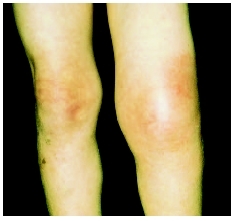
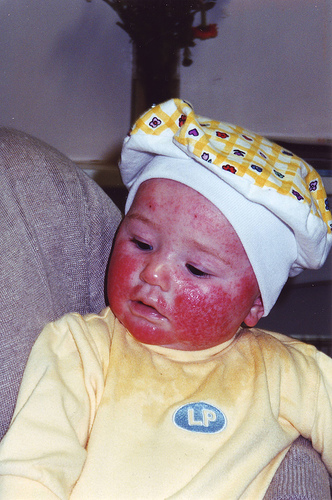
Eczema generally presents as dry or itchy skin, that may be scaly or flaky. The rashes can become inflamed and deteriorate into weeping blisters. Eczema often appears in children and can be genetic. Children who suffer from eczema often have hay fever and asthma too. The main sites for eczema are generally the face, hands, backs of knees, and elbows. Eczema often becomes worse in winter. Compresses, bathing in cool water and various creams can all help with this annoying skin condition. Preventing the atmosphere in your home from becoming too dry can also be effective. Avoiding stress, and extremes in temperatures can also be of benefit. It is important for the eczema sufferer to try and refrain from scratching at their rash to prevent skin infections. A good quality moisturizing lotion can be a beneficial treatment.
Contact Dermatitis:
Contact dermatitis is caused when the body comes into contact with a substance that it is allergic to. Most contact dermatitis rashes will occur on the hands, face or body. This sort of rash normally presents as stinging, burning, swollen, red, itchy blisters. Contact dermatitis is more prevalent in adults. The most common causes are latex products, metals and nickels, hair products, poisonous plants, household products, fragrances, tapes, and bath powders.
Treatments:
The best treatment for skin allergies is to avoid the product or food, which causes the rash. The most effective way to determine your allergies is to have skin patch tests performed. Obviously, not all products can be avoided on a continual basis. There are many superior skin products available, which can assist in the soothing of your nasty rash. Other treatment options include skin allergy specific products and medications.
Stop scratching today! For further helpful information on products and services for skin allergies, why not try this recommended website?
Wheat Allergy-Gluten Intolerance-symptoms-causes
 Wheat allergies and gluten intolerance involve different physical reactions.
A true wheat allergy normally presnts symptoms including hives or a rash, inflammation of the airways, runny or blocked nose, or an irritated or itchy throat or mouth. Digestive symptoms like vomiting, pain or diarrhea can also occur. These signs can fluctuate dramatically from person to person, and can occur within minutes to hours of consuming the wheat containing food.
Wheat allergies are most prevalent in children and those with a family history of eczema, asthma, hay fever or hives.
A true wheat allergy occurs when the body produces a response in the form of an antibody to the protein in the wheat, allergen, which the body has detected as an enemy. Immunoglobulin (IgE) antibodies will then release histamine into the system, which results in all the umpleasant allergy side effects.
Gliadin, globulin, albumin, and gluten are the 4 proteins contained in wheat that are capable of causing an allergic reaction.
However, the body can have a digestive reaction to gluten. This results from the body being unable to digest the gluten and is known as gluten intolerance. Celiac disease or gluten sensitive enteropathy are also painful digestive disorders brought on by the consumption of gluten products.
Gluten is not only confined to wheat, but can also be found in rye, barley and oats. Being unable to consume any of these grains without digestive symptoms is more indicative of a gluten intolerance problem then a wheat allergy. People with gluten intolerance will not present with the histamine type side effects (rash, runny nose, etc), but will experience the abdominal cramps and diarrhea symptoms.
If you suspect that you are allergic to wheat, or are gluten intolerant, you should consult your medical practitioner. Blood and skin tests can be performed to test for antibodies. Keeping a food diary will help you with your food triggers. Often health providers will recommend a food elimination diet to help pinpoint the food culprits.
Latex Allergy-Allergy-Allergies-Causes-Medication-Treatments-Skin care
 Latex products are manufactured from a milky fluid derived from the rubber tree, Hevea brasiliensis. Several chemicals are added to this fluid during the processing and manufacture of commercial latex. Some proteins in latex can cause a range of mild to severe allergic reactions. Currently available methods of measurement do not provide easy or consistent identification of allergy-causing proteins (antigens) and their concentrations. Until well-accepted standardized tests are available, total protein serves as a useful indicator of the exposure of concern. The chemicals added during processing may also cause skin rashes. Several types of synthetic rubber are also referred to as "latex," but these do not release the proteins that cause allergic reactions.
Products containing latex
A wide variety of products contain latex: medical supplies, personal protective equipment, and numerous household objects. Most people who encounter latex products only through their general use in society have no health problems from the use of these products. Workers who repeatedly use latex products are the focus of this alert. The following are examples of products that may contain latex:

| Emergency equipment |
|
| Protective supplies |
|
| Office supplies |
|
| Hospital supplies |
|
| Household items |
|

Individuals who already have latex allergy should be aware of latex-containing products that may trigger an allergic reaction. Some of the listed products are available in latex-free forms.
Latex in the workplace
Workers in the health care industry (physicians, nurses, dentists, technicians, etc.) are at risk for developing latex allergy because they use latex gloves frequently. Also at risk are workers with less frequent glove use (hairdressers, housekeepers, food service workers, etc.) and workers in industries that manufacture latex products.
| |

Types of reactions to latex
Three types of reactions can occur in persons using latex products:
- Irritant contact dermatitis
- Allergic contact dermatitis (delayed hypersensitivity)
- Latex allergy
Irritant contact dermatitis
The most common reaction to latex products is irritant contact dermatitis -- the development of dry, itchy, irritated areas on the skin, usually the hands. This reaction is caused by skin irritation from using gloves and possibly by exposure to other workplace products and chemicals. The reaction can also result from repeated hand washing and drying, incomplete hand drying, use of cleaners and sanitizers, and exposure to powders added to the gloves. Irritant contact dermatitis is not a true allergy.
Chemical sensitivity dermatitis
Allergic contact dermatitis (delayed hypersensitivity, also sometimes called chemical sensitivity dermatitis) results from exposure to chemicals added to latex during harvesting, processing, or manufacturing. These chemicals can cause skin reactions similar to those caused by poison ivy. As with poison ivy, the rash usually begins 24 to 48 hours after contact and may progress to oozing skin blisters or spread away from the area of skin touched by the latex.
Latex allergy
Latex allergy (immediate hypersensitivity) can be a more serious reaction to latex than irritant contact dermatitis or allergic contact dermatitis. Certain proteins in latex may cause sensitization (positive blood or skin test, with or without symptoms). Although the amount of exposure needed to cause sensitization or symptoms is not known, exposures at even very low levels can trigger allergic reactions in some sensitized individuals.
Reactions usually begin within minutes of exposure to latex, but they can occur hours later and can produce various symptoms. Mild reactions to latex involve skin redness, hives, or itching. More severe reactions may involve respiratory symptoms such as runny nose, sneezing, itchy eyes, scratchy throat, and asthma (difficult breathing, coughing spells, and wheezing). Rarely, shock may occur; but a life-threatening reaction is seldom the first sign of latex allergy. Such reactions are similar to those seen in some allergic persons after a bee sting.
Who is at risk?
Workers with ongoing latex exposure are at risk for developing latex allergy. Such workers include health care workers (physicians, nurses, aides, dentists, dental hygienists, operating room employees, laboratory technicians, and hospital housekeeping personnel) who frequently use latex gloves and other latex-containing medical supplies. Workers who use latex gloves less frequently (law enforcement personnel, ambulance attendants, funeral-home workers, fire fighters, painters, gardeners, food service workers, and housekeeping personnel) may also develop latex allergy. Workers in factories where latex products are manufactured or used can also be affected.
Atopic individuals (persons with a tendency to have multiple allergic conditions) are at increased risk for developing latex allergy. Latex allergy is also associated with allergies to certain foods especially avocado, potato, banana, tomato, chestnuts, kiwi fruit, and papaya. People with spina bifida are also at increased risk for latex allergy.
Diagnosing latex allergy
Latex allergy should be suspected in anyone who develops certain symptoms after latex exposure, including nasal, eye, or sinus irritation; hives; shortness of breath; coughing; wheezing; or unexplained shock. Any exposed worker who experiences these symptoms should be evaluated by a physician, since further exposure could result in a serious allergic reaction. A diagnosis is made by using the results of a medical history, physical examination, and tests.
Taking a complete medical history is the first step in diagnosing latex allergy. In addition, blood tests approved by the Food and Drug Administration (FDA) are available to detect latex antibodies. Other diagnostic tools include a standardized glove-use test or skin tests that involve scratching or pricking the skin through a drop of liquid containing latex proteins. A positive reaction is shown by itching, swelling or redness at the test site. However, no FDA-approved materials are yet available to use in skin testing for latex allergy. Skin testing and glove-use tests should be performed only at medical centers with staff that is experienced and equipped to handle severe reactions.
Testing is also available to diagnose allergic contact dermatitis. In this FDA-approved test, a special patch containing latex additives is applied to the skin and checked over several days. A positive reaction is shown by itching, redness, swelling, or blistering where the patch covered the skin.
Occasionally, tests may fail to confirm a worker who has a true allergy to latex, or tests may suggest latex allergy in a worker with no clinical symptoms. Therefore, test results must be evaluated by a knowledgeable physician.
Treating latex allergy
Once a worker becomes allergic to latex, special precautions are needed to prevent exposures during work as well as during medical or dental care. Certain medications may reduce the allergy symptoms, but complete latex avoidance (though quite difficult) is the most effective approach. Many facilities maintain latex-safe areas for affected patients and workers.
Insect Stings-Symptoms-Allergy-Allergies-Causes-Medication-Treatments-Skin care
 Insect and spider bites can cause an allergic reaction. Stinging insects (such as bumblebees, yellow jackets, hornets, wasps, and fire and harvester ants) are more likely to cause an allergic reaction than biting insects (mosquitoes, horseflies, deerflies, spiders, bedbugs, and black flies).
Most bites and stings do not require emergency medical care. However, approximately 0.5% of the population develop severe allergic reactions (anaphylaxis) to insect stings.
Allergic reactions to insect bites or stings occur very quickly, usually within minutes. Severe reactions, although rare, can be rapidly fatal if untreated.
Symptoms
Common symptoms include:
- Red, swollen, or warm lump
- Hives
- Rash
- Itching, tingling, numbness, burning, tenderness, pain
Serious allergic reactions (anaphylaxis) occur when symptoms spread. These can include difficulty breathing, dizziness, nausea, diarrhea, fever, muscle spasms, or loss of consciousness. Call for emergency medical help right away.

First aid for minor reactions
- If the sting is from a honey bee, remove the stinger from the skin if it is still present. Carefully scrape the back of a knife or other thin straight-edged object across the stinger if the victim can remain still, and it is safe to do so. Otherwise, you can pull out the stinger with tweezers or your fingers, but avoid pinching the venom sac at the end of the stinger which will cause more venom to be released.
- Wash the site thoroughly with soap and water.
- Cover the site with a clean, cold compress or a clean, moist dressing to reduce swelling and discomfort.
- Over the next 24 to 48 hours, observe the site for signs of infection (such as increasing redness, swelling, pain).
- Sores from scratching can become infected. Keep bites clean and, to prevent infection, don't scratch.
First aid for serious reactions

If the victim is having a severe reaction or the victim has been stung inside the mouth or throat, call immediately for emergency medical assistance.
- Check the victim’s airway, breathing, and circulation. If necessary, begin rescue breathing and CPR.
- Reassure the victim. Try to keep him or her calm, as anxiety will worsen the situation.
- Remove nearby rings and constricting items because the affected area may swell.
- Use a special allergy first aid kit, if available. (Some people who have serious insect reactions carry it with them.)
- If appropriate, treat the victim for signs of shock. Remain with the victim until medical help arrives.
Food Allergies-Tips for avoiding allergic reactions to foods -Allergy-Allergies-Causes-Medication-Treatments-Skin care
 People often have an unpleasant reaction to something they ate and wonder if they have a food allergy. One out of three people either say that they have a food allergy or that they modify the family diet because a family member is suspected of having a food allergy. But only about six percent of children have clinically proven allergic reactions to foods. In adults, the prevalence of food allergy drops to about one percent of the total population.
This difference between the clinically proven prevalence of food allergy and the public perception of the problem is in part due to reactions called "food intolerances" rather than food allergies. A food allergy, or hypersensitivity, is an abnormal response to a food that is triggered by the immune system. The immune system is not responsible for the symptoms of a food intolerance, even though these symptoms can resemble those of a food allergy.
Food allergies are caused by immunologic reactions to foods. There actually are several discrete diseases under this category, and a number of foods that can cause these problems.

After one suspects a food allergy, a medical evaluation is the key to proper management. Treatment is basically avoiding the food(s) after it is identified. People with food allergies should become knowledgeable about allergies and how they are treated, and should work with their physicians.
It is extremely important for people who have true food allergies to identify them and prevent allergic reactions to food because these reactions can cause devastating illness and, in some cases, be fatal.
Treatment for Food Allergies::
Food allergy is treated by avoiding the problem foods. Once a patient and doctor have identified the food to which the patient is sensitive, the food must be removed from the patient's diet. To do this, patients must read lengthy, detailed ingredient lists on each food they are considering eating.
Many allergy-producing foods -- such as peanuts, eggs, and milk -- appear in foods one normally would not associate them with. Peanuts, for example, are often used as a protein source and eggs are used in some salad dressings. The FDA requires ingredients in a food to appear on its label. People can avoid most of the things to which they are sensitive if they read food labels carefully and avoid restaurant-prepared foods that might have ingredients to which they are allergic.
In highly allergic people even minuscule amounts of a food allergen (for example, 1/44,000 of a peanut kernel) can prompt an allergic reaction. Other less sensitive people may be able to tolerate small amounts of a food to which they are allergic.
Tips for avoiding allergic reactions to foods
- Be aware of the foods that cause your symptoms.
- Learn to read food labels carefully.
- When dining out, ask about the ingredients used in preparing the dish before tasting the food.
- If you experience symptoms, avoid any further contact with that food item, rinse your mouth and see a doctor.
Be prepared
Patients with severe food allergies must be prepared to treat an inadvertent exposure. Even people who know a lot about what they are sensitive to occasionally make a mistake. To protect themselves, people who have had anaphylactic reactions to a food should wear medical alert bracelets or necklaces stating that they have a food allergy and that they are subject to severe reactions.
Special precautions are warranted with children. Parents and caregivers must know how to protect children from foods to which the children are allergic and how to manage the children if they consume a food to which they are allergic. Schools must have plans in place to address any emergency.
Animal Allergies-Allergy-Allergies-Causes-Medication-Treatments-Skin care
 Household pets are the most common source of allergic reactions to animals. Many people think that pet allergy is provoked by the fur of cats and dogs. But researchers have found that the major allergens are proteins secreted by oil glands in the animals' skin and shed in dander, as well as proteins in the saliva, which sticks to the fur when the animal licks itself. Urine is also a source of allergy-causing proteins. When the substance carrying the proteins dries, the proteins can then float into the air.

Cats may be more likely than dogs to cause allergic reactions because they lick themselves more and may be held more and spend more time in the house, close to humans.
Some rodents, such as guinea pigs and gerbils, have become increasingly popular as household pets. They, too, can cause allergic reactions in some people, as can mice and rats. Urine is the major source of allergens from these animals.

Allergies to animals can take two years or more to develop and may not subside until six months or more after ending contact with the animal. Carpet and furniture are a reservoir for pet allergens, and the allergens can remain in them for four to six weeks. In addition, these allergens can stay in household air for months after the animal has been removed. Therefore, it is wise for people with an animal allergy to check with the landlord or previous owner to find out if furry pets had lived previously on the premises.

Preventive strategies
- Remove pets from your home if possible.
- If pet removal is not possible, keep them out of bedrooms and confined to areas without carpets or upholstered furniture.
- Wear a dust mask and gloves when near rodents.
- After playing with your pet, wash your hands and clean your clothes to remove pet allergens.
- Avoid contact with soiled litter cages.
- Dust often with a damp cloth.
Dust Mite Allergy-Allergy-Allergies-Causes-Medication-Treatments-Skin care
 Dust mite allergy is an allergy to a microscopic organism that lives in the dust that is found in all dwellings and workplaces. Dust mites are perhaps the most common cause of perennial allergic rhinitis. Dust mite allergy usually produces symptoms similar to pollen allergy and also can produce symptoms of asthma.
What is house dust?

Rather than a single substance, so-called house dust is a varied mixture of potentially allergenic materials. It may contain fibers from different types of fabrics; cotton lint, feathers, and other stuffing materials; dander from cats, dogs, and other animals; bacteria; mold and fungus spores (especially in damp areas); food particles; bits of plants and insects; and other allergens peculiar to an individual home.

House dust also contains microscopic mites. These mites, which live in bedding, upholstered furniture, and carpets, thrive in summer and die in winter. In a warm, humid house, however, they continue to thrive even in the coldest months. The particles seen floating in a shaft of sunlight include dead dust mites and their waste-products. These waste-products, which are proteins, actually provoke the allergic reaction.
Waste products of cockroaches are also an important cause of allergy symptoms from household allergens, particularly in some urban areas of the United States.
How to Control Dust Mites?
Has allergy testing revealed that you react to dust mites? If so, take heart -- here are some action steps you can take to control dust mites!
- Encase your pillow and mattress with dust mite-proof covers.
- Wash linens in hot water every week.
- Maintain a dry environment in your bedroom with a dehumidifier. Keep the dehumidifier tray clean and dry.
- Consider removing carpet.
- Keep rooms clutter-free. Keep stuffed toys off the beds. Close closet doors.
- Use carpet treatment on existing carpets to kill mites.
Focus on your bedroom...
If you're allergic to dust mites -- and millions of people are -- you must take steps to minimize them in your home. Believe it or not, there can be as many as 30,000 of these tiny creatures in one ounce of dust! Dust mites are found all over the home, but the biggest problem is your bed. Dust mites are attracted to your bed because they live off the skin cells that we all shed each night.
Here's the problem: As you sleep, your skin sloughs off and works its way down into your bedding. If the air in your room is humid, dust mites get into your bed and pillow and happily grow into large colonies. Furthermore, your own body creates humidity as you breathe and perspire. Trying to kill the dust mites will only have a limited effect, because the dust mite feces that cause the problems will still exist in high concentrations.
Dust mite covers
Your first step is to encase your pillow and mattress with dust mite covers. Studies have shown that these covers are very effective at reducing dust mite allergens. This step has two main goals: to keep the existing dust mites trapped inside the barrier, so you won't be exposed to them, and to prevent new dust mites from getting into your pillow and mattress.
The material of your pillow can affect your allergies. For a long time, people with allergies and asthma have been encouraged to avoid feather pillows because they were thought to aggravate allergies more than the synthetic alternatives, which are often referred to as "hypoallergenic" pillows. However, some studies have shown that more dust mite allergen can be found in synthetic pillows than in feather pillows. Recent research reported at the 56th Annual Meeting of the American Academy of Allergy, Asthma, and Immunology (AAAAI) shows that synthetic pillows may contain more pet allergens than feather pillows. Regardless of its material, if your pillow is washable, wash it regularly. (Read the pillow manufacturer's directions for cleaning.) Or, as an alternative, fluff it occasionally in the dryer to remove dust mites, but make sure the dryer is on the hottest setting.

Wash bedding regularly
Don't forget that you continue to shed skin cells that accumulate on top of the dust mite-proof covers. To tackle this problem, make sure to wash the dust mite-proof covers with your linens in hot water (130 - 140 degrees). Buy dust mite-proof covers and linens that can withstand frequent trips to the washing machine. A small amount of bleach added to the washing machine will also help destroy the dust mite allergen on bedding, but it will also take the color out of the fabric. (Consider buying all white linens.) Since bleach can irritate the airways, have someone without asthma or allergies do the laundry.
More tricks
If you really want to get rid of those dust mites, get a stand-alone, single-room dehumidifier. Central dehumidifiers are also available, but cost more. Dust mites hate dry air. Maintain a relative humidity of 35 to 50%. Make sure to empty the dehumidifier tray frequently and keep it clean. If the tray isn't clean, mold growth will appear that could cause you more problems, like mold allergy. Be aware that if the humidity is too low (20-25%), it can irritate the sinuses and respiratory system.
Next, consider removing wall-to-wall carpeting from bedrooms and other frequently used spaces. Carpets trap dust, dust mites, skin, pet dander, mold, spores, pollen, and chemicals that can trigger allergies or asthma-like symptoms. Small, synthetic area rugs are easy to keep clean. Since removing your wall-to-wall carpet is an ambitious step, balance the cost and hassle with how miserable your allergies or asthma are making you. If you decide to keep your carpet, keep it clean! Standard upright vacuums tend to stir dust and allergens, making them airborne. A better option is a vacuum with a HEPA filter or a central vacuum.

Some experts believe that treating your carpet with dust mite pesticide powder can be effective. Others claim that carpet treatment powder can irritate airways of people with asthma and allergies. Dr. Scott Carroll, President of Atlanta Allergy & Asthma Clinic, says, "Mite treatment of carpet needs to be done every two months to be effective, and it can be expensive. This is really necessary only if kids [with dust mite allergy] are playing on the carpet."
Make it hard for dustmites to find a home...
Finally, keep your home free of clutter and dust. Wipe surfaces weekly with a damp rag. Vacuum the dust off the floor, and vacuum upholstered furniture. (If you live with someone who isn't allergic to dust mites, have them do the vacuuming and cleaning!)
Keep stuffed toys off the beds, or wash them weekly. Consider replacing Venetian blinds or heavy cloth draperies with pull-down shades that don't collect as much dust and are easier to clean. Keep closets clean with the doors closed.

Consider using the following products:
- Allergen-impermeable bedding
- Washable pillows
- Stand-alone dehumidifiers or central dehumidifiers
- HEPA stand-alone air cleaners or central air filtration system
- HEPA-filter vacuum cleaner or central vacuum cleaning system
- Carpet treatment
- Washable toys
Mold Allergy-Allergy-Allergies-Causes-Medication-Treatments-Skin care
 Along with pollens from trees, grasses, and weeds, molds are an important cause of seasonal allergic rhinitis. People allergic to molds may have symptoms from spring to late fall. The mold season often peaks from July to late summer. Unlike pollens, molds may persist after the first killing frost. Some can grow at subfreezing temperatures, but most become dormant. Snow cover lowers the outdoor mold count dramatically but does not kill molds. After the spring thaw, molds thrive on the vegetation that has been killed by the winter cold.
In the warmest areas of the United States, however, molds thrive all year and can cause year-round (perennial) allergic problems. In addition, molds growing indoors can cause perennial allergic rhinitis even in the coldest climates. 
What is mold?
There are thousands of types of molds and yeast, the two groups of plants in the fungus family. Yeasts are single cells that divide to form clusters. Molds consist of many cells that grow as branching threads called hyphae. Although both groups can probably cause allergic reactions, only a small number of molds are widely recognized offenders.

The seeds or reproductive particles of fungi are called spores. They differ in size, shape, and color among species. Each spore that germinates can give rise to new mold growth, which in turn can produce millions of spores.
What is mold allergy?

When inhaled, microscopic fungal spores or, sometimes, fragments of fungi may cause allergic rhinitis. Because they are so small, mold spores may evade the protective mechanisms of the nose and upper respiratory tract to reach the lungs.
In a small number of people, symptoms of mold allergy may be brought on or worsened by eating certain foods, such as cheeses, processed with fungi. Occasionally, mushrooms, dried fruits, and foods containing yeast, soy sauce, or vinegar will produce allergic symptoms. There is no known relationship, however, between a respiratory allergy to the mold Penicillium and an allergy to the drug penicillin, made from the mold.
Where do molds grow?
Molds can be found wherever there is moisture, oxygen, and a source of the few other chemicals they need. In the fall they grow on rotting logs and fallen leaves, especially in moist, shady areas. In gardens, they can be found in compost piles and on certain grasses and weeds. Some molds attach to grains such as wheat, oats, barley, and corn, making farms, grain bins, and silos likely places to find mold.
Hot spots of mold growth in the home include damp basements and closets, bathrooms (especially shower stalls), places where fresh food is stored, refrigerator drip trays, house plants, air conditioners, humidifiers, garbage pails, mattresses, upholstered furniture, and old foam rubber pillows.
Bakeries, breweries, barns, dairies, and greenhouses are favorite places for molds to grow. Loggers, mill workers, carpenters, furniture repairers, and upholsterers often work in moldy environments.
Which molds are allergenic?
Like pollens, mold spores are important airborne allergens only if they are abundant, easily carried by air currents, and allergenic in their chemical makeup. Found almost everywhere, mold spores in some areas are so numerous they often outnumber the pollens in the air. Fortunately, however, only a few dozen different types are significant allergens.
In general, Alternaria and Cladosporium (Hormodendrum) are the molds most commonly found both indoors and outdoors throughout the United States. Aspergillus, Penicillium, Helminthosporium, Epicoccum, Fusarium, Mucor, Rhizopus, and Aureobasidium (Pullularia) are also common.
Are mold counts helpful?
Similar to pollen counts, mold counts may suggest the types and relative quantities of fungi present at a certain time and place. For several reasons, however, these counts probably cannot be used as a constant guide for daily activities. One reason is that the number and types of spores actually present in the mold count may have changed considerably in 24 hours because weather and spore dispersal are directly related. Many of the common allergenic molds are of the dry spore type -- they release their spores during dry, windy weather. Other fungi need high humidity, fog, or dew to release their spores. Although rain washes many larger spores out of the air, it also causes some smaller spores to be shot into the air.
In addition to the effect of day-to-day weather changes on mold counts, spore populations may also differ between day and night. Day favors dispersal by dry spore types and night favors wet spore types.
Are there other mold-related disorders?
Fungi or microorganisms related to them may cause other health problems similar to allergic diseases. Some kinds of Aspergillus may cause several different illnesses, including both infections and allergy. These fungi may lodge in the airways or a distant part of the lung and grow until they form a compact sphere known as a "fungus ball." In people with lung damage or serious underlying illnesses, Aspergillus may grasp the opportunity to invade the lungs or the whole body.

In some individuals, exposure to these fungi also can lead to asthma or to a lung disease resembling severe inflammatory asthma called allergic bronchopulmonary aspergillosis. This latter condition, which occurs only in a minority of people with asthma, is characterized by wheezing, low-grade fever, and coughing up of brown-flecked masses or mucus plugs. Skin testing, blood tests, X-rays, and examination of the sputum for fungi can help establish the diagnosis.
Airborne allergens-Pollen Allergy-Allergy-Allergies-Causes-Medication-Treatments-Skin care
 Each spring, summer, and fall, tiny particles are released from trees, weeds, and grasses. These particles, known as pollen, hitch rides on currents of air. Although their mission is to fertilize parts of other plants, many never reach their targets. Instead, they enter human noses and throats, triggering a type of seasonal allergic rhinitis called pollen allergy, which many people know as hay fever or rose fever (depending on the season in which the symptoms occur). Of all the things that can cause an allergy, pollen is one of the most widespread. Many of the foods, drugs, or animals that cause allergies can be avoided to a great extent; even insects and household dust are escapable. Short of staying indoors when the pollen count is high -- and even that may not help -- there is no easy way to evade windborne pollen.
People with pollen allergies often develop sensitivities to other troublemakers that are present all year, such as dust mites. For these allergy sufferers, the "sneezin' season" has no limit. Year-round airborne allergens cause perennial allergic rhinitis, as distinguished from seasonal allergic rhinitis.
What is pollen?

Plants produce microscopic round or oval pollen grains to reproduce. In some species, the plant uses the pollen from its own flowers to fertilize itself. Other types must be cross-pollinated; that is, in order for fertilization to take place and seeds to form, pollen must be transferred from the flower of one plant to that of another plant of the same species. Insects do this job for certain flowering plants, while other plants rely on wind transport.
The types of pollen that most commonly cause allergic reactions are produced by the plain-looking plants (trees, grasses, and weeds) that do not have showy flowers. These plants manufacture small, light, dry pollen granules that are custom-made for wind transport. Samples of ragweed pollen have been collected 400 miles out at sea and 2 miles high in the air. Because airborne pollen is carried for long distances, it does little good to rid an area of an offending plant -- the pollen can drift in from many miles away. In addition, most allergenic pollen comes from plants that produce it in huge quantities. A single ragweed plant can generate a million grains of pollen a day.
The chemical makeup of pollen is the basic factor that determines whether it is likely to cause hay fever. For example, pine tree pollen is produced in large amounts by a common tree, which would make it a good candidate for causing allergy. The chemical composition of pine pollen, however, appears to make it less allergenic than other types. Because pine pollen is heavy, it tends to fall straight down and does not scatter. Therefore, it rarely reaches human noses.
Among North American plants, weeds are the most prolific producers of allergenic pollen. Ragweed is the major culprit, but others of importance are sagebrush, redroot pigweed, lamb's quarters, Russian thistle (tumbleweed), and English plantain.

Grasses and trees, too, are important sources of allergenic pollens. Although more than 1,000 species of grass grow in North America, only a few produce highly allergenic pollen. These include timothy grass, Kentucky bluegrass, Johnson grass, Bermuda grass, redtop grass, orchard grass, and sweet vernal grass. Trees that produce allergenic pollen include oak, ash, elm, hickory, pecan, box elder, and mountain cedar.
It is common to hear people say that they are allergic to colorful or scented flowers like roses. In fact, only florists, gardeners, and others who have prolonged, close contact with flowers are likely to become sensitized to pollen from these plants. Most people have little contact with the large, heavy, waxy pollen grains of many flowering plants because this type of pollen is not carried by wind but by insects such as butterflies and bees.
| "I love springtime, but the pollen drives me up the wall! I start taking my medication as soon as I see buds on the trees." |
When do plants make pollen?
One of the most obvious features of pollen allergy is its seasonal nature -- people experience symptoms only when the pollen grains to which they are allergic are in the air. Each plant has a pollinating period that is more or less the same from year to year. Exactly when a plant starts to pollinate seems to depend on the relative length of night and day -- and therefore on geographical location -- rather than on the weather. (On the other hand, weather conditions during pollination can affect the amount of pollen produced and distributed in a specific year.) Thus, the farther north you go, the later the pollinating period and the later the allergy season.
A pollen count, which is familiar to many people from local weather reports, is a measure of how much pollen is in the air. This count represents the concentration of all the pollen (or of one particular type, like ragweed) in the air in a certain area at a specific time. It is expressed in grains of pollen per square meter of air collected over 24 hours. Pollen counts tend to be highest early in the morning on warm, dry, breezy days and lowest during chilly, wet periods. Although a pollen count is an approximate and fluctuating measure, it is useful as a general guide for when it is advisable to stay indoors and avoid contact with the pollen.
Preventive strategies
- Avoid the outdoors between 5-10 AM. Save outside activities for late afternoon or after a heavy rain, when pollen levels are lower.
- Keep windows in your home and car closed to lower exposure to pollen. To keep cool, use air conditioners and avoid using window and attic fans.
- Be aware that pollen can also be transported indoors on people and pets.
- Dry your clothes in an automatic dryer rather than hanging them outside. Otherwise pollen can collect on clothing and be carried indoors.
Created by the National Institutes of Health
Allergy-Allergies-Causes-Medication-Treatments-Skin care
 What is an Allergy?
When most people think of an allergy, they think of the sneezing, congestion, and itchy eyes caused by pollen. In fact, allergies can be caused by just about any substance that you inhale or swallow, or which touches your skin.
Your body's immune system is designed to attack harmful substances like bacteria and viruses. But with allergies, your body launches an assault on substances that are basically harmless -- such as pollen, mold, dust mites, pet saliva and dander, and even medications and insect sting venom.
Allergies are extremely common. About 40% of the population suffers from them, leading to millions of missed work days and school days each year. Annual medical costs exceed $4 billion.Not only do allergies cause a range of annoying symptoms such as sneezing and itchy eyes, but they can aggravate or trigger other conditions such as asthma, sinusitis, and ear infections. For example, when allergies cause inflammation in your nasal passages, the opening to your sinuses can become blocked, leading to sinus inflammation, sinus infections, and sinus pain. Similarly, if allergies cause inflammation in your ear canal, the ears don't drain properly, which can lead to ear infections.
An allergy is your body's abnormal reaction to a foreign substance such as feathers, pollen, cat dander or strawberries. The body's defenses form antibodies to "fight" the foreign invader--even though there's no real need to. So all the antibodies do is to cause reactions within the body--reactions like stuffy nose, wheezing, hay fever, eczema, and hives. These are called "allergic reactions". Most allergic reactions happen immediately, but some show up hours or even a day later.

Allergic reactions are unpredictable. The tendency to have these reactions is usually inherited--but people don't inherit specific allergies. A tendency to have allergies continues through a person's like--but the symptoms may change over the years. For example, a baby may have eczema, which clears up in early childhood. Then later, the child may develop a nasal allergy or asthma.
panamas_allergies/allergies_panam.
Allergic reactions may also be affected by other things like climate or infection--and especially by physical or emotional stress.
Allergic reactions are caused by things called "allergens". Many common foods can act as allergens, including milk, eggs, fruits, nuts and shellfish. Many substances around us can also act as allergens--things like house dust, pollen, pets, bee stings, and mold.

allergy/images
Sometimes, the cause of an allergy is obvious. If you break out in hives every time you eat strawberries, you're probably allergic to them. If you wake up every morning with a stuffy nose, you may be allergic to your feather pillow. If you feel fine through most of the year, but have hay fever every Spring or Fall, you may be allergic to the pollen produced during those seasons.
Here is how to deal with an allergy. The basic defense is to avoid the allergen that causes it. To go back to our examples, don't eat strawberries, or replace your feather pillow with a Dacron pillow.
But what if you can't avoid the allergen? If your reaction is fairly mild, try a non-prescription antihistamine such as Chlor-trimetron or Benadryl. An antihistamine may help relieve your symptoms.
If that doesn't work, you'll need to see your health care provider. He or she may prescribe a stronger medication--or you may be referred to an Allergist for evaluation. If referred, you'll receive a very detailed questionnaire, and probably some allergy skin tests to help determine what causes your allergic reactions. Finally, the Allergist will recommend specific treatments to manage your allergies.

But no matter what methods you use to control your allergies, remember that they are affected by your physical and emotional health. If you're healthy, you can tolerate a greater amount of the things that you're sensitive to.
They include allergies to foods, pollen, medication and environmental allergens and asthma.
Remember these key points:
- Allergic reactions are caused by the body's response to foreign substances.
- The tendency to have allergic reactions can be inherited.
- Allergic reactions can last throughout life--though they may take different forms at different times.
- Try to manage an allergy by avoiding the substance that causes it, and, if necessary, by trying a mild antihistamine.
- If that doesn't work, see your health care provider for evaluation and possible referral to an Allergist.
Treatment Using Herbs, Phytochemicals and Vitamins to Soothe Your Allergies This Season
If you are one of the lucky few that doesn’t suffer from seasonal allergies, consider yourself, well lucky!! I myself have had allergy problems since before I can remember, and trust me I have gone through just about everything there is to treat them. Personally, the only relief I’ve found and felt good about using is in Complementary Medicine, be it, herbs, diet, or acupuncture. My allergies, unfortunately are not only seasonal but a vague anomaly that continues year round for a laundry list of reasons of which I am never sure of. Fortunately, dealing with your personal health and testing new ideas on yourself is a great learning tool, and one day hopefully I will have squashed all my allergy problems and live an itch free life.
I recently came across an article published in The Journal of Allergy and Clinical Immunology reviewing CAM’s history in treating various ailments of the immune system, including asthma, allergic rhinitis and dermatitis through the use of Vitamins, Herbs and Phytochemicals. If you are looking for some hope in a prescription drug free world of allergy treatment, check out the research. Some highlights of the research include:
Vitamin D: It has long been said that Vitamin D plays a vital role in your overall health, this article just reinforces the importance that Vitamin D plays in our immune system and how it can be a crucial part of dealing with allergies of any kind.
Vitamin E: Has been shown to decrease mast cell production, thereby relieving an allergic response.
Vitamin A: Has been shown to increase antibody production.
Vitamin C: Is an important mediator in the immune response.
Magnolol: As far as phytochemicals go, Magnolol is polyphenol found in plants that plays a part in the immune reaction, lending an inhibitory effect that reduces the allergic reaction.
Quercetin: Found in cherries, Quercetin plays the same sort of inhibitory role in the cascade of events causing an allergic reaction and effects the production of mast cells.
Resveratrol: Found in grape skins, it’s a powerful antioxidant that has been shown to have anti-cancer effects, it plays a role in alleviating the stress response that can be an instigator in the allergy response.
Ma Huang (or Ephedra): Which has recently been taken off the market is a great herb in the treatment of asthma and has unfortunately been misused as a diet drug and energy enhancer due to its amphetime-like effects.
As far as using these substances clinically in the treatment of allergies, there is SO much information in the article that I could hardly paraphrase any one part of it in one page, but if you are looking for specific info regarding Atopic Dermatitis, Allergic Rhinitis or Asthma, please read the article, there is quite a bit of good information in there and natural substances that are worth taking a look at. For example, some of the remedies they review are as follows:
In treating Atopic Dermatitis, Evening Primrose, Essential Fatty Acids, Rumex japonicus Houtt & Actinidia arguta are a few of the herbal remedies found to have positive effects.
For Allergic Rhinitis, Butterbur is worth mentioning as finding similar test results as the use of Fexafenadine a prescription medicine commonly prescribed for allergies. Citrus unshiu also showed positive results in treating seasonal allergies. Likewise, dietary products like grape seed extract, tomato extract, dietary spirulina, and cellulose powder have been suggested for the treatment of allergic rhinitis.
As far as Chinese Herbal Formulas are concerned Bhu-zong-yi-qi-tang is shown to have efficacious results when treating both allergic rhinitis and atopic dermatitis as well as Shi-Bi-Lin, another formula.
Also worth mentioning are a couple of other homeopathic remedies, including Apis Mel, which is helpful in acute cases for hives, bee stings and other insect bites and Histaminum which is helpful in the case of nasal congestion, hay fever, insect bites, eczema, and even food allergies. One that has been super useful for me when I’m having an acute reaction is Quantum AllerCleanse a Botanical Supplement produced by Premier Research Labs.
So, take control of your health this allergy season and look into these great natural remedies! I know some of these have done wonders for me in helping to relieve my allergy symptoms throughout the years and I hope you too can benefit as well!
Source: Mainardi, Timothy, MD, MS, Kapoor, Simi, MD, Bielory, Leonard, MD, ( Feb. 2009) Complementary and Alternative Medicine: Herbs, Phytochemicals and Vitamins and Their Immunologic Effects. The Journal of Allergy & Clinical Immunology, 123 (2), 283-294

Medication A llergies
This information is about allergies to medications. It covers what they are, how to deal with them, and how to prevent them.
Some people are allergic to certain medicines. When given these medicines they have allergic reactions such as skin rash, hives, wheezing-- or, in a very few cases, even death. These allergic reactions are not uncommon.
Almost any medication can cause an allergic reaction. Some of these medications are penicillin, sulfa, aspirin, phenobarbital, laxatives, and codeine. People allergic to penicillin will be allergic to all penicillin types of medication including Amoxicillin, Ampicillin, etc. Individuals allergic to aspirin will usually also be allergic to non-steroidal anti-inflammatory medications containing ibuprofen such as: Advil, Nuprin, Pamprin and Midol. If you are allergic to any medications, you should discuss this with your health care provider or pharmacist before taking any medications regardless of whether they are prescription or non-prescription.
An allergic reaction to a medicine can begin any time. Some people take a medication for years with no ill effect. And then suddenly, they become allergic to it.
Here's how to deal with an allergy to a medication. First, know the name of any drug you become allergic to. Then tell your doctor or nurse so he or she can record you allergy in your medical records. Tell any doctor or nurse about your allergy before receiving any injection or medication. And if you tend to have allergic reactions to medicines, it's a good idea to stay in the waiting room for 20 to 30 minutes after getting a shot--to make sure you don't develop a reaction to it.
Finally, keep a lost of your allergies with you at all times--in your purse or wallet, or on a Medic Alert wrist bracelet. That way, if you are ever in an accident or unconscious, people who are taking care of you will know about your allergies. You can get an application for a Medic Alert bracelet from your provider or pharmacy.
To determine whether you are truly allergic to a medication, discuss any reactions with your health care provider. Remember and explain exactly what happened when you took the medications, and what symptoms you experienced--like hives, nausea, wheezing, swollen joints, or dizziness. The reason is that some reactions are not due to allergy.
Since allergic reactions can appear unexpectedly, you may not be able to avoid them completely. If you suspect that you're having an allergic reaction to a medication, call your health provider. And if you develop a serious problem with large hives, wheezing, or difficulty in breathing, call your emergency phone number. If you feel this is a life threatening emergency call 911 at once!
Please remember these key points:
- Allergic reactions to medications are not uncommon; many medications can produce allergic reactions.
- An allergic reaction can begin any time--even if you've taken the medication before without ill effect.
- To prevent allergic reactions, find out the names of the medications you are allergic to.
- Discuss reactions with your doctor and have them written into your medical record.
- Inform the doctor or nurse about your allergies every time you are about to get an injection.
- Keep a list of your allergic reactions and carry it with you.
|
|