• Home
  • RSS
  • Contact
POWERED BY
Showing posts with label HAIR LOSS-TREATMENT. Show all posts

Natural Hair Thickening Remedies - Hair Care

Natural Hair Thickening RemediesHair thinning is one of the basic problems that affect our strands. Indeed natural hair thickening remedies can start a real battle against various disorders. These organic methods will be eager to restore the health and shiny condition of your locks. Rely on their power to polish your appearance and improve your health condition. Include these rituals in your beauty care routine for the desired and smashing effect.

Our hair might suffer due to the effect of pollution, health problems as well as damages caused by inappropriate hair care. There are several treatments both medical and natural that can reduce the measure of deterioration. Consequently it's important to furnish our hair follicles with the best nutrients and vitamins to establish the proper conditions for a healthy hair growth. Besides appealing to these tricks it is also important to adopt a balance diet rich in all the important supplements, essential both for our development as well as the spotless state of our hair, nails and skin. These green hair thickening remedies will cure problems right from the roots and would eliminate all the harmful factors that might threaten our health. Raid the local store for the basic ingredients and prepare the following hair spa solutions.

# Eggs: It's not a new information that eggs are rich in all the basic nutrients that are important for our organism. Hair requires an increased intake of vitamin A,D and also vitamin B in order to grow properly and maintain its best shape. Moreover hair loss and deterioration can be the direct result of the inappropriate condition of the scalp. A similar quick treatment will control the sebum production in the head and would allow the elimination of all toxins.

All you have to do is beat an egg into a bowl and massage it into your scalp. Make sure it covers all the strands, leave it to exercise its effect for 5-10 minutes then rinse it off with cool water. This ritual will strengthen the protein layer on your strands which will visible thicken your locks.

  • Honey: Honey is a common element used in beauty care due to its rich composition in vitamins and nutrients. Therefore use it to handle worn-out strands and thicken hair. Moreover appealing to a similar trick would also leave you with shiny and voluminous locks.

    Though it might require some mastery to perfect the art of a similar treatment it is worth trying it. Cover your strands with honey make sure you tackle both the scalp and the tips. Cover the head with an old towel and leave it on for at least 20-25 minutes. Wash off the lotion with warm water and cleanse it with your normal shampoo and conditioner.

  • Avocado and Banana: These two fruits offer the proper treatment for broke down locks. Due to their content of Vitamin A, B and E as well as potassium this smashing combo will balance the moisture production and will also increase the resistance of the strands towards excessive heat, and damage in general.

  • This will contribute to the quick and most importantly healthy growth of your strands. In order to prepare this nourishing paste mash 1/4 avocado and the same amount of banana into a bowl. After you prepared the paste, massage it into your locks and scalp. Use an old towel or a shower cap to cover your hair for at least 20-25 minutes. Boost hair strengthening and thickening with a similar treatment.

  • Oat Flour: One of the top notch elements that can be used to naturally thicken hair are lipids. These ingredients can be found in normal oat flour, you'll be able to purchase from any grocery shop. Moreover you can also complete your diet with this healthy nutrient since it does miracles not only with your hair but also skin. Combat hair loss and skin problems with a similar treatment. Take your normal conditioner and add 2 tbs. of this ingredient to the lotion. Make sure you use this product every time your wash your strands. Rinse the magical composition off with lukewarm water.
  • Hair Loss (Baldness) Causes, Treatments and Medications for Thinning Hair

    Hair Loss

    What are causes of hair loss?

    There are many causes of scalp hair loss. This article will cover the common ones.

    In general, most hair loss is not associated with systemic or internal disease, nor is poor diet a frequent factor. Thyroid disease can cause hair loss, but thyroid tests on people who have ordinary hair loss are usually normal. Although many medications list "hair loss" among their potential side effects, drugs are also not overall common causes of thinning or lost hair. On the other hand, with cancer treatments and immune suppression medications, hair loss is not uncommon.

    One useful way to classify hair loss is by whether the loss is localized and patchy or whether it affects large areas or the whole scalp.

    Patchy hair loss

    Some conditions produce small areas of hair loss, while others affect large areas of the scalp. Common causes of patchy hair loss are

    • alopecia areata (patches of baldness that usually grow back),


    • traction alopecia (thinning from tight braids or ponytails),


    • trichotillomania (the habit of twisting or pulling hair out),


    • tinea capitis (fungal infection).

    Alopecia areata

    A common condition, alopecia areata usually starts as a single quarter-sized circle of perfectly smooth baldness. Alopecia patches usually regrow in three to six months without treatment. Sometimes, hair grows back in white. In another variant, alopecia can produce two or three bald patches. When these grow back, they may be replaced by others. The most extensive form is called alopecia totalis, in which the entire scalp goes bald. It's important to emphasize that patients who have localized hair loss generally don't go on to lose hair all over the scalp. Alopecia can affect hair on other parts of the body, too -- for example, the beard.


    Alopecia areata is considered an autoimmune condition, in which the body attacks itself (in this case its own hair follicles). Most alopecia patients, however, do not have systemic problems and need no medical tests. Alopecia is also often blamed on "stress," but in fact, it's usually the other way around: Having alopecia causes the stress, at least until people find out what it is.

    Treatments for alopecia areata include injecting steroids into affected patches to stimulate hair growth. This is not practical for large areas. Other treatments, such as oral steroids or ultraviolet light therapy, are either toxic or impractical. In most mild cases, patients can comb over the affected areas. In more severe and chronic cases, some patients wear hairpieces; nowadays, some men shave their whole scalp now that this look has become fashionable.

    http://lesthetiqueinc.com/home/images/stories/nr551566.jpg

    Traction alopecia

    Tight braids and ponytails can pull hard enough on hairs to make them fall out. If this happens, it's best to choose hairstyles that put less pressure on hair roots. The sooner this is done the better, to avoid permanent damage.

    Trichotillomania

    This melodramatic name refers to the habit of pulling at hairs or twisting them, sometimes without realizing it. The scalp and eyelashes are often affected. Unlike alopecia areata patches, which are perfectly smooth, hair patches in trichotillomania show broken-off hairs. Treatment is entirely behavioral: You have to notice that you're doing it and then stop!

    Tinea capitis (fungal infection)

    Fungal infection of the scalp for the most part affects school-age children. Bald spots usually show broken-off hairs. Oral antibiotics are needed to penetrate the hair roots and cure the infection after which hair grows back.

    http://www.topnews.in/health/files/Hair-Loss.jpg

    Generalized (diffuse) hair loss

    Common conditions in this category are

    • telogen effluvium (rapid shedding after childbirth, fever, or sudden weight loss);


    • androgenetic hair loss ("male-pattern baldness," "female-pattern baldness").

    Telogen effluvium

    Under normal conditions, scalp hairs live for about three years (the anagen, or growing, phase); they then enter the telogen, or resting, phase. During the three-month telogen period, the hair root shrivels up into a small white "club," then the hair falls out. It is therefore normal to lose about 100 hairs every day, more of them on days when shampooing loosens the hairs that are ready to fall out. The hairs are then replaced by the body.

    Sometimes people worried about losing their hair start noticing hairs on their pillow or in the sink, not realizing that they've always been there. A close look at these will usually reveal the white "club" at the end, showing that these hairs were already dead. Normally, about 10% of scalp hairs are in the telogen phase.

    There are several circumstances that produce a "shock to the system" that alters the hair growth rhythm. As a result, as much as 30%-40% of the hairs can cycle into telogen. Three months later, hairs come out in a massive shedding (effluvium), especially near the front of the scalp. These include

    • childbirth,
    • high fever,
    • sudden weight loss (crash dieting),
    • surgery.

    None of these has to be life-threatening, nor does hair loss always follow them. (It can happen after one pregnancy but not the next.) But when the hair falls out, it's all over the place -- covering the pillow, clogging the drain, and so forth. Paradoxically, the more dramatic the hair loss, the better the prognosis, because when the body gets back into normal rhythm, most if not all of that hair comes back. No special treatment is needed. Normal shampooing can continue, because this only loosens hairs that were going to come out anyway.

    Androgenetic alopecia ("male-pattern baldness," "female-pattern baldness")

    Everyone loses hair, but men do it better -- faster, earlier, and more extensively.

    Doctors refer to common baldness as "androegentic alopecia," which implies that a combination of hormones and heredity (genetics) is needed to develop the condition. (The male hormones involved are present in both men and women.)

    Male-pattern baldness

    Even men who never "go bald" thin out over the years. Unlike those with reversible telogen shedding, those with common male-pattern hair loss don't notice much hair coming out; they just see that it's not there anymore. Adolescent boys notice some receding near the temples as their hairlines change from the straight-across boys' pattern to the more "M-shaped" pattern of adult men. This normal development does not mean they are losing hair.

    Picture of male-pattern baldness
    Male-pattern baldness

    Some "myths" about male-pattern baldness

    • You inherit baldness through your mother's male relatives. Actually, baldness can come from either side of the family or both. Looking at your family can give you at best an educated guess about how you'll turn out.


    • Longer hair puts a strain on roots. They don't. And hats don't choke off the circulation to the scalp to cause hair loss either.


    • Shampooing does not accelerate balding.

    • "Poor circulation" does not cause hair loss, and massaging doesn't stop it.

    What treatments are there for hair loss in men?

    Many conditioners, shampoos, vitamins, and other products claim to help hair grow in some unspecified way. These are harmless but useless. To slow down hair loss, there are two basic options:

    • Minoxidil (Rogaine): This topical application is available over the counter, no prescription is required. It works best on the crown, less on the frontal region. Available as a 2% solution, Rogaine may grow a little hair, but it's better at holding onto what's still there. There are few side effects with Rogaine. The main problem with this treatment is the need to keep applying it twice a day, and most men get tired of it after a while. In addition, minoxidil works less well on the front of the head, which is where baldness bothers most men. This drug also comes in a higher strength, 5%, which may be a bit more effective.


    • Finasteride (Propecia): This is a lower-dose version of a drug that shrinks prostates in middle-aged men. Propecia is available by prescription and is taken once a day. Propecia does grow and thicken hair to some extent, but its main use is to keep hair that's still there. It's therefore best for men who still have enough hair to retain. One side effect is impotence, but this is no more common than it is in the general population and is reversible when the drug is stopped. Taking Propecia once a day is easier that applying minoxidil, but the prospect of taking a pill daily for years doesn't sit well with some men. There's also the cost, about $60/month, not reimbursed by most health insurers.

    Minoxidil and Propecia are meant to be used indefinitely. Those who change their mind and stop are left where they would have been without them but no worse.

    http://www.solveyourproblem.com/stop-hair-loss/hairloss-image.jpg

    What other options do I have for hair loss?

    Hairpieces, etc.

    Among the time-honored ways to add hair temporarily are hairpieces or hair weaving, in which a mesh is attached to your remaining hair and artificial or human hair of similar color and texture is woven with existing hair. Quality varies considerably with price; also, hairpieces and weaves stretch, oxidize, and loosen.

    Surgery

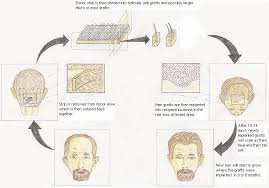
    Surgical approaches include various versions of hair transplantation (taking hair from the back and putting it near the front) or scalp reduction (cutting away bald areas and stitching the rest together). Transplant procedures have improved greatly in recent years. They can produce much more attractive and natural-looking results than older methods that sometimes left a "checkerboard" look. Many transplant patients now take Propecia to keep what they've transplanted. When considering a hair transplant, check the surgeon's credentials and experience carefully.

    Is hair loss in women different than men?

    Female-pattern baldness

    Women lose hair on an inherited (genetic) basis, too, but the female pattern is more diffuse, with less likelihood of the frontal hairline being lost. Although some women may notice hair thinning as early as their 20s, the pace of hair loss tends to be gradual, often taking years to become obvious to others. (It's common to hear women with what appear to have a full head of hair exclaim, "This is nothing...You should have seen how thick it used to be!")

    Notions about baldness being inherited through the mother's family, just like stories about hats choking off follicles or long hair pulling on the roots, are just folklore.

    Hair loss "myths" of special concern to women:

    • Longer hair does not put a strain on roots.


    • Shampooing does not accelerate hair loss; it just removes those that were ready to fall out anyway.


    • Coloring, perming, and conditioning the hair do not usually cause hair loss. Styles that pull tight may cause some loss, but hair coloring and "chemicals" don't.

    What treatments are there for hair loss in women?

    • Ask your doctor about minoxidil (Rogaine). This is available over the counter and available in 2% and 5% concentrations. It's something of a nuisance to apply, but it helps conserve hair and may even grow some.


    • Propecia is a drug that helps men retain their hair. It is unsafe for women of childbearing to take this drug or even handle tablets. (It is, however, safe for their husbands to take it while they are trying to become pregnant.) Propecia is safe for older women but not very effective; newer studies suggest that it might be somewhat helpful and may be worth considering.


    • Surgical procedures like hair transplants can be useful for some women as well as men to "fill in" thinned-out areas.

    REFERNCES:

    Bolognia, Jean, Jorizzo, Joseph, and Rapini, Ronald. Dermatology. Philadelphia: Mosby Elsevier, 2008.


    Last Editorial Review: 11/13/2009

    Hair loss treatment-Hair loss treatments-Best Methods-Hair

    who has been severely suffering from hair-loss. The re-growth of the hairline that is caused due to difficulties in hair follicles are genetic factors and harsh environmental conditions such as dust and dirt that seeps in and bacteria that starts eating away the skin scalp letting the entire pathway to appear clean and clear and awkward to the patient.

    The medicines recommended by the dermatologists consist of at least 5% of minoxidil that controls the disease of the head scalp called as alopecia. The treatment with Rogaine applied twice a day is helpful to make hair soft and fluffy for prolonged period of time. Sometimes the treatment procedures even take a long period in between 8-9 months whereas actual treatment therapy must take place somewhere around six months to heal up the process of hair-loss.

    Beautiful Hair Image

    http://celebhairstyle.files.wordpress.com/2009/03/celebrity-long-hair.jpg

    It has to keep in mind that even best hair-loss treatment is adopted it shouldn’t reciprocates the process of healing of the head scalp where in certain criteria the patient has reported a complaint about excessive hair-growth at the targeted area which is more then the normal condition outlook. The best treatment fails overtime and its effectiveness is challenged and repercussions faced only by the patient as is been suggested by the dermatologists. The best hair-loss treatment should be duly certified by FDA for its approval because there are many substitutes available in the domestic market who fools the customer by its fancy outlook through over-the-counter hair-loss treatment products.

    http://www.celebrity-hair-styles-magazine.com/images/female-celebrity-long-hair-photos-07.jpg

    Propecia along with minoxidil if applied together after thorough mixing procedure is very effective to the head scalp and controls the hair-loss efficiently. The pregnant women must opt for more soft but sophisticated natural or conventional methods so that the by-birth defects in the body triggers the life-long cycle of scalp disease that need to be carefully executed by them. Especially the tablets or pills eaten in excess are harmful for their head scalp because such medicines later in the stage warms the body and triggers the sudden fall of the hair lining. Apart from medicinal help, hair-transplant surgery is effective to the baldness too but it’s rather expensive by nature. Certain patients are required to undergo multiple forms of surgeries based on the male and female patterns but there’s a guarantee that the look will look natural to the patient as suggested by dermatologists. Retin-A as termed a tretinoin or renova is prescribed for an increase of 10% output results for partial or full hair-loss treatment of the patient.

    Oral medications for partial or full baldness should be taken in combination therapy not as a single hairline treatment of the scalp. The enzymes which are responsible for changing the testosterone into DHT of the head scalp are inhibited already under propecia and minoxidil. Dutasteride is an active ingredient that is a drug to treat away the enhanced or enlarged prostate glands of the neck region under avodart. The active ingredient blocks the enzymes as other ingredients does where DHT is created at the target area. Ketoconanazole is present in shampoos to treat the dandruff as dandruff ill-treated starts making the scalp skin rough and dry and the hair follicles becomes brittle thus they tend to fall suddenly in bathrooms, kitchens, rooms etc. If this ingredient is considered as the best hair-loss formula then simply 1% of it isn’t sufficient as FDA doesn’t approves the specific quantity and will ill-treat the head scalp with no guarantee. Best antacid treatment therapy again for partial or full hair-loss is through tagamet along with azelaic acids and introduction to peptides.

    Hair Loss-Natural tips to Aviod hair loss-Treatment

    Allmost 95 percent of hair loss is genetic, but other factors, such as nutrition, overall health, hormone deficiencies, overcoloring of hair and emotional stress, can be controlled somewhat.


    Tip#1
    Wash your hair regularly in warm water and use a deep conditioner.

    Tip# 2

    Eat a balanced diet. Nutritional deficiencies, eating disorders and excessive amounts of certain vitamins, such as A and E, can cause hair loss.

    Tip# 3

    Take care of your health. Chronic illness, high fevers and infections can contribute to hair loss.

    Tip# 4

    Stay away from harsh chemicals - permanent hair color and perms are the most damaging - and avoid colouring your hair more than once every six to eight weeks.


    Tip# 5

    Avoid hairstyles like ponytails and cornrows, which stretch and pull hair.

    Tip# 6
    Keep in mind that it's normal to lose between 50 and 100 hairs a day.


    Tip# 7
    Consult your general physician or dermatologist regarding concerns about hair loss.


    How To get perfect and best hair condition ?Hair conditioner

    Brush: Before you shampoo, you should brush your hair to remove any dirt and remove the tangles.

    Massage: You should gently massage your scalp in the shower to boost your circulation. Start at the front of your head and gently work your way to the back.

    Moisturise: You should only apply conditioner to the mid length and ends of your hair.

    Rinse: After you shampoo, try using vinegar as a rinse. It will help boost your hair shine.

    Water: You should use mild cold water to rinse your hair, as this will close the cuticles which will ensure a shine.

    Dry: You should squeeze the excess water from your hair and then blot your hair with a towel. This procedure will help to retain the moisture.

    Comb: You should not brush wet hair, as at this stage it will be easily damaged. Using a wide tooth comb, work your hair in sections.

    Finish: Let your hair dry naturally. You will find that heated styling appliances will damage the hair shaft. Spray some hair spay on a comb and run through the hair. This will tame your hair and give it that polished finish.


    Hair Styling Agents:

    Hair spray: Select the right brand. You should use hairspray to tame stray cuticles, maintain curl definition and to make the hair stay in place.

    Gel: Gel is available in various strengths and formulations. These range from thick gels to pump sprays. Gel can be used to style, lift roots, define your curls or tame wispy tendrils.

    Mousse: This is a very versatile product that may be applied to dry or wet hair. You will find it ideal to plump up fine hair and good as a setting agent for curls.

    Styling spray: This is an all in one type product that combines hair spray, setting lotion and gel. You will find it works well with short styles.

    Volumising spray: These sprays contain heat activating type ingredients that will sort of plump up fine hair during blow drying.

    How to Get rid of unwanted facial hair--facial hair removal,women facial hair removal,facial hair removal laser,waxing ,Electrolysis,facial skin care,

    No woman likes to have hair on her face, especially dark hair as they are very prominent. Given below are various ways by which you can get rid of unwanted facial hair.

    Threading and waxing
    Threading and waxing are two most common terms associated with women’s beautification of herself. Both these two treatments are ways of getting rid of unwanted facial hair, either above the lip or in chin, near eyebrows or on the entire face. These days’ facial waxes have been introduced in markets to provide women with a much desired clean and smooth face.

    Electrolysis is the only FDA and AMA approved method to get rid of facial hair permanently. During electrolysis, a small needle is inserted into the hair follicle and the growth center is wiped out chemically or thermally. It is vitally important to find a highly trained, recommended electrologist to get rid of your facial hair; lesser technicians with shoddy equipment will take your money without permanently getting rid of your facial hair. Also, don’t bother with a home electrolysis kit--it’s kind of like buying a home appendix removal kit. In the end, electrolysis is a highly effective, yet expensive, method to get rid of facial hair.

    Laser hair removal is one the most effective and long-lasting methods for getting rid of facial hair. As with electrolysis, go to a professional that comes highly recommended and wouldn’t mind providing references . . . because they are going to be destroying your hair follicles with a laser. Because the procedure works through melanin (pigment), it is vastly more effective for light-skinned, dark-haired women. So, if you have dark skin or feel naked without your tan, laser hair removal probably isn’t for you. Be patient with this method--you’ll need to suffer a few sessions for results, and your hair may begin growing back and then wither.

    A smooth upper lip

    For mustache removal, waxing is often the method of choice. Big beauty salons often have a waxing section where technicians work on facial and leg hair, underarms and the bikini line. When you go in, the technician applies hot wax to an area of skin with a wooden spatula. After the wax hardens, the technician pulls it off. Waxing keeps the mustache area hair-free for about six weeks. The new hair that grows in is usually soft and silky. Some women find waxing painful, though. And it can irritate the tender skin above the lip.

    Sugaring

    Sugaring is similar to waxing without the tremendous pain, and it is a great way to get rid of facial hair. Sugaring is ages old, and many recipes abound online, or you can buy a cheap, environmentally friendly product from Moom. The sugaring concoction sticks to hair instead of skin, so the process is nothing like the scream-in-horror waxing of old. Sugaring should be done on dry, clean skin. Results should last for up to four weeks.


    Bleaching

    Bleaching does not actually remove the hair. It lightens the hair colour so it appears blonde or golden. Several highlights of hair bleach make it an appealing choice for some women - it is accessible, quick and, best of all, painless. All hair bleach kits come with two essential components: the actual hair bleach mixture, which is most often in cream form, and the activator mixture, which is always in powder form. Follow the instructions to obtain the proper proportion of bleach to activator.

    Threading is a great way to shape eyebrows, but it is also effective at getting rid of facial hair. You’re probably not going to find a salon that does threading in small-town America, but this ancient hair removal technique is quickly spreading. With this method, two pieces of cotton are used to literally pluck the hair from the root. While it sounds similar to tweezing, it is much quicker and far less painful. Also, a skilled practitioner of threading will leave less chance of an ingrown hair or infection--especially if you utilize an antibacterial afterwards. Again, find an experienced practitioner; those who do it for a living are faster, kinder, and produce better results.

    Along with trying out various cosmetic options from threading to waxing to bleaching, there are certain home made remedies to prevent excess growth of facial hair. The latter is usually a result of high testosterone in woman’s body and the level of this hormone can be naturally lowered through intake of spearmint tea. In addition, medical science has advanced far ahead and methods like laser therapy can also be leveraged for attainment of clean, clear, hair-less and a beautiful face.

    Words of caution: Never combine the two until you are ready to begin bleaching; immediately discard any unused portions and never mix the two together in any kind of a metal bowl or container. Whatever bleach you get, be sure to do a patch test. Instructions for the patch test come with the kit. If no redness, irritation or eruption occurs, you can proceed with the full application.

    To date, no evidence has been presented of harmful effects of bleaching to the skin. However, the bleaching agents that lighten the hair can also alter the pigment in the skin. This can result in a change to the skin texture, making it thicker, coarser and sometimes darker.

    Prescription Treatments that Get Rid of Unwanted Facial Hair

    Vaniqa (Eflonithine) is an FDA approved topical prescription medication that doesn’t get rid of facial hair, but it significantly slows down facial hair growth. Vaniqa inhibits hair growth by blocking an enzyme that fosters hair production. Vaniqa is best used in tandem with one of the facial hair removal methods above; it can greatly reduce the amount of times you’ll need to sugar, pluck, or drop cash on more expensive schemes. The results of Vaniqa vary greatly: for some it hardly works, while others report that their hair stopped growing after a number of months. Like nearly all hair removal methods, once you stop the treatment, your hair production will revert back to what it once was.

    If facial hair growth is caused by an excess of male hormones (hirsutism) or a hormonal imbalance, oral contraceptives and antiandrogens may be prescribed. Hormonal problems such as hirsutism are more common than people think; up to 12% of all women experience the disorder at some point in their lives. Again, these prescriptions can and should be used alongside other hair removal methods for optimum results.

    How To Get Rid Of Dandruff?

    Vinegar is poured into the hair, massaged into the scalp, and left to dry for a few minutes.

    Then the hair is washed.

    The process is repeated daily until the dandruff disappears, usually within a few days.
    Natural ways to cure dandruff::

    Dandruff can be easily cured by adopting some natural remedies. Explore your kitchen and you will find many solutions to cure dandruff right there. Following are some simple remedies to get rid of dandruff naturally.
    • Soak a spoon of fenugreek seeds in water overnight and then grind it into a fine paste in the morning. Apply it all over the scalp and rinse it off after half an hour

    • Add a teaspoon of lime juice into the mug full of water and rinse you hair with this solution immediately after washing your hair

    • Boil beetroot in water and apply the solution to the scalp with a cotton ball every night before going to bed

    • Massage your hair gently with curd and rinse after half an hour

    • Apply a mix of lime juice and amla juice to the scalp. Keep it overnight and wash next day

    • Rinse your hair with one part Cider vinegar diluted with three parts of water

    • Massage your scalp gently with warm coconut oil twice a week

    • Apply Aloe Vera gel all over the scalp for half an hour before taking a bath

    • Massage the scalp with olive oil and keep it overnight

    • Mix a tablespoon of limejuice and crushed garlic. Apply it all over the scalp and rinse after 10-15 minutes

    • Soak a few neem leaves in hot water, filter, cool and rinse your hair with this water

    • Apply onion juice all over the scalp and wash it off after half an hour with shampoo
    • Other than these remedies, ingredients such as honey, brandy, rosemary leaves, henna, carrots, salt, tea leaves and egg white are also found beneficial to cure dandruff.

    Other Methods of getting rid of dandruff

    Commercial dandruff shampoos

    Here I will list the active ingredients used in the most common anti-dandruff shampoos and explain what they do. Make sure you read the labels when shopping for a particular ingredient since the same brand often produces similar products with different ingredients. Always follow the instructions on the labels.

    Ahhh, that's better

    Zinc pyrithione

    (Head & Shoulders classic, Pert Plus dandruff control)

    Zinc pyrithione, or Zinc omadine is an anti-fungal and antibacterial agent that is most commonly used to fight the dandruff caused by yeasts and fungi. Once you begin using this treatment, stopping will often cause dandruff to return worse than before treatment began.

    Ketoconazole

    (Nizoral AntiDandruff shampoo)

    Ketoconazole is an anti-fungal drug used to treat dandruff caused by yeasts and fungi. Dandruff usually returns after treatment is stopped.

    Selenium sulfide

    (Selsun blue, Head & Shoulders Intensive)

    Selenium sulfide is an anti-fungal agent used to treat dandruff caused by yeasts and fungi. In the US, 1% solutions can be purchased over-the-counter and 2.5% solutions are available by prescription. Dandruff often returns when treatment is stopped.

    Coal tar

    (Ionil-T, Neutrogena T/Gel Therapeutic)

    Coal tar is a liquid by-product of the distillation of coal. It is used in shampoos meant to treat head lice and psoriasis. Be warned, coal tar is on the NIOSH carcinogen list as a potential cancer-causing agent.

    Salicylic acid

    (Ionil)

    Salicylic acid based shampoos are used to help the scalp shed excess skin more easily, which in turn helps to keep skin pores from getting clogged.

    Home remedies

    There are tons of home brew dandruff cures out there, every family likely knows of a different one that they will swear by to cure dandruff. Here I’ll list some of the most commonly recommended concoctions.

    Hawiian Tea Tree Leaves

    Tea tree oil

    Tea tree oil has an anti-fungal quality and can be mixed into lotions, oils and shampoos. Massage the mixture into the scalp and let it sit for 15 minutes prior to rinsing clean.

    Coneflower and red clover extracts

    Aveda has a product named “Scalp Remedy” that is growing in popularity. It contains both coneflower and red clover extracts, comes with a dropper and is applied directly to the scalp after you shower.

    Oil soaks

    Scalp massages with moisturizing oils an hour or so before bathing are said to rejuvenate a dry scalp. Skin lotions will likely work as well.

    Vinegar rinses

    Some people have reported success after rinsing their hair with white or apple cider vinegar prior to bathing. It may have something to do with correcting your hair’s PH balance.

    What's The Real Truth About Hair Transplants?

    The process of hair transplant surgery continues to improve all the time. It is a procedure that both men and women turn to when they are suffering from hair loss. However, the biggest part of the customers are men. With newer techniques used all the time more people are getting results from such procedures than in the past.

    Are Hair Transplants Successful


    The success rate in regards to hair transplants depends on many factors. Before a person is scheduled for such procedures they should be evaluated. Not everyone is a good candidate for the procedure. It will depend on why they are losing their hair and their overall health. Most hair transplants offer such success but it may not be to the level that the individual was hoping for. It is important to have a clear understanding of what results to expect before you decide on the procedure.

    What are the Risks Involved with Hair Transplants?

    The hair transplant process is time consuming so you need to be willing to commit to it. The process of hair growing back can be slow as well so you need to be patient. There can be some pain involved in such procedures as well. There is also the risk that your body won't respond well to it. Don't expect to grow a full head of hair after the process. Only a few people actually do. You may still end up experiencing further hair loss as well.

    There is usually some scarring involved with the hair transplant process. It is important for your to talk to your surgeon about what type of procedure he will complete on you. Ask for references of people that have had the surgery done as well in the past couple of years. Then contact them to find out about their hair growth, if they have experienced and problems, and the success they have had with new hair growth.

    The risk of an infection on the scalp after a hair transplant is something you need to know about. While only a small percentage of people suffer from such an infection you do need to know it is possible. Make sure you are confident that all of the tools as well as the area where the surgery will take place are sterile.

    Are Hair Transplants Expensive?

    Be prepared for a hefty price tag associated with hair transplants. Since this type of surgery is optional no health insurance company out there is going to be paying for it. Most locations that offer such service have their own in house financing which makes the procedure more affordable for that that are interested.

    Conclusion

    Losing your hair isn't something most people are willing to simply accept. Hair transplants are a costly alternative to that. If you are interested you need to schedule some free consultations with qualified surgeons to find out if you are a good candidate for the procedure.

    You want to do your own homework about the various hair transplant procedures. While some are more advanced they also come with a larger price tag. Yet older procedures can take longer to complete and they are more painful. You also need to compare what type of results are typical with any given hair transplant procedure.

    What you can do to prevent Hair fall

    Here is what you can do to prevent hair fall

    * Shampoo regularly. Remember, a CLEAN scalp is a HEALTHY SCALP.

    * Brahmi amla oil also promotes hair growth.

    * A high protein diet with plenty of fruits, green vegetables and dairy products is a must.

    * Drink 10-12 glass of water everyday.

    * Use a very mild shampoo and condition your hair at least twice a week. When you do, make sure you rinse out the conditioner thoroughly, otherwise residue build-up will cause your hair to look limp and dull.

    * Know your vitamins! IRON is important for healthy hair and brittle, limp hair indicates an iron deficiency. Spinach has a good iron content, so gulp it down!

    * ZINC helps prevent hair loss and greying. Eat adequate zinc rich foods. Overweight people tend to have zinc deficiency, which is inversely related to the body mass index. Thus if you are overweight and if your hair falls too much, you may want to increase your intake of zinc containing foods. Recipes containing stone ground, wholegrain flour are rich in zinc.

    * A shortfall in VITAMIN B may cause dandruff, falling hair, loss of colour and could encourage grey hair. So B group Vitamins are essential for gloss, colour and thickness.

    * VITAMIN C ensures the health of capillaries supplying blood to hair follicles. Make sure your diet includes plenty of fresh fruits and veggies.

    * VITAMIN E encourages hair growth. Switch from refined flours to wholemeal and wheatgerm, eggs, vegetable oil.

    * COPPER stops hair from falling. Studies show that the copper content in the blood serum of people with falling hair is less than normal. Different types of alopecia (falling hair) are seen to have a deficiency of this important trace element. Include small quantities of nuts, especially cashews and peanuts, seeds, whole milk and beans in your diet as these contain minute but important amounts of copper.

    Paste Not Allowed