• Home
  • RSS
  • Contact
POWERED BY

Top Tips to Avoid Weekend Weight-Gain

Weekend weight-gain seems to creep up on you. How? It's so easy to get in the mind frame of "I've been good all week, so I deserve to splurge this weekend!" Those free-for-all weekends add up to pounds-gained quicker than you'd expect. Here are some simple ways to avoid weekend weight-gain:


  1. Stock Your Staples

    If your fridge and pantry aren't stocked with the healthy foods you need, you will have no choice but to eat whatever is within reach (or within a phone call to the pizza place). Friday morning, take stock of your staples and drop by the store on your way home to purchase what is low or missing. http://www.celebritydietdoctor.com/wp-content/uploads/2009/03/cheryl-burkes-weight-gain.jpg
  2. Be Smart, Don't Skip

    If you are planning to go out with friends for a non-diet-friendly meal Saturday night, try to eat lighter at home throughout the day. But whatever you do, don’t skip meals to "save up" for the outing. Your appetite will get the best of you and you will inevitably overeat. (You may even be likely to consume more calories than you would normally have if you'd eaten three meals instead of just one.)http://jolienadine.com/blog/wp-content/uploads/2009/01/jessica_simpson_ashlee_simpson_weight_gain_gossip.jpg
  3. Review Your Week

    Take some extra time to look over your food diary and spot any major diet mistakes. The weekend is a perfect time to review your progress, identify areas for improvement, and make plans for alternatives.
  4. Get Out

    Some weekends are so quiet that I feel like the only soul on the planet. I know the longer I am at home alone, the more I will eat and the less active I will be, so I make a point to get out instead of sticking around the house: Window-shopping, checking out what's new at the library, or going to the park are my favorite calorie-free, cost-free distractions.http://graphics8.nytimes.com/images/2007/08/01/health/adam/19265.jpg
  5. Keep Your Brain Busy

    Under the weather? Keep your mind active doing puzzles, reading a book, playing computer games, communicating with online friends, or writing in your journal. You will be less likely to mindlessly snack when you stay focused on something else.
  6. Try it, You Might Like It

    Sit down and make a long list of all the hobbies or activities you'd like to try in the near future, such as finally joining your coworkers for paintball or taking that hike you've been thinking about. Post your list on the fridge and add new ideas as they come to you. Before the weekend arrives, make plans to follow through with one of your ideas.
  7. Lend a Helping Hand

    Got time on your hands? Consider lending a hand to those in need. It's easy to overeat as a way to alleviate boredom when you don't have something constructive to do. Consider volunteering your time with a cause close to your heart. You will benefit others, keep yourself away from the pantry, and your self-esteem will get a boost (which can help keep you on track with your weight-loss efforts).http://fc00.deviantart.com/fs31/f/2008/192/e/5/Weight_Gain_Lois_and_Meg_by_SuperSizeArtist.png
  8. Relax and Renew

    You don't have to save all your special treats for when you hit that 10-pounds-lost goal you've been working toward. You still deserve a little luxury -- even if you’ve slowed down your "losing" progress. Instead, ditch that all-or-nothing thinking and proceed with pampering yourself. A long bubble bath, an at-home spa treatment, or a new novel will fit the bill.
  9. Lift Your Spirits

    Even if you are not religious, consider doing something of a spiritual nature over the weekend. If an experience truly restores your soul, you will be less likely to fill up on food and more likely to face your week with a renewed sense of purpose, which can come in handy if the weekend has been less-than-perfect on the weight-loss front.
  10. Make a Fresh Start

    Speaking of that less-than-perfect weekend: Remind yourself that every single day is a fresh start. There is no need to give up altogether even if you’ve had your second (or third) really bad weekend in a row. Start your workweek off on the right foot. Have a healthy breakfast and pack or plan a diet-friendly lunch. Getting right back on track will give your motivation a boost and help you focus on making this a great week.

weight lose top tips

Weight loss and dieting are two words which people don't like to hear, overweight or not. Images of intense work out regimes and trying to stick to strict, bland diets are some of the things that come to mind when those words are spoken.

But it's not hard to loose weight and it shouldn't be. It should be fun and easy to loose weight. Here's 7 simple steps to make loosing weight fun and easy.

1) Exercise in the morning before you eat breakfast Research has shown you'll burn three times more body fat working out during the morning than out at any other time of day.

I'm not talking about doing 100 push up with one hand behind your back, take it slow and easy. Do a few toe touches or arm curls with 5 pound weights each morning. The key here is easy and fun.
interval training for weight loss
Though, you need to perform both resistance and cardio workouts so get your cardio in by taking a walk or jog to the park or around your neighborhood with your favorite tunes playing on your walkman or ipod. Believe it or not your body will continue to burn fat even after you're done excising so be sure to eat a full breakfast to get your energy levels back up.

2) Stay hydrated by drinking water.
Drink lots of water all day long from the time you wake up to when you go to bed. Drink 8-16 glasses filtered or bottled water a day. That may sound like a lot but after your morning workout you will probably drink one or two glasses of water.
Not only is water good for you, but it also flushes out harmful toxins in the body, increases your metabolism which will help you burn fat and keeps your skin completion clear.

3) Do light resistance training before cardio workouts
During the first 20 minutes of any exercise, your body will burn not any body fat. To counter this fact during the first 20 minutes of a workout do some stretching or warm-ups. Stretching and warm ups are important for exercises because it will help your muscles loosen up and prevent you from having any cramps and kinks the next day. It will also help increase your metabolism which will help you burn the fat.

interval training for weight loss 3
4) Eat Breakfast
Breakfast is not only the most important meal of the day but it will also boost your metabolism and give you the energy you need to burn fat. Eating a healthy and hearty breakfast will help put a stop to the cravings during the day so you won't find yourself snacking in between meals.

5) Change your mindset
People who are battling with weight (and even those who aren't) often compare themselves with others. Don't fall into this trap because you will never feel you stack up to the competition enough. Low self-esteem will lead you down the road to emotional trouble and will prevent you from reaching your goal. People are genetically different and therefore will lose weight in different amounts of time. Don't be so hard on yourself.

Be your own person and stick to your own target weight. Weight loss is not a race or a competition, the only person you're competing against is yourself.

6) Change your lifestyle
If you normally drive to work take the train and walk to the station. Take up some dancing classes or sign up some classes in a sport of your interest. This will not only get you exercising but doing these activities will also help you meet new people. Remember, loose weight easily while having fun.
http://www.speaking-up.com/blog/wp-content/lose_weight1.jpg
7) Take before and after photos
While this may be hard for some people as they shy away from cameras at gatherings and it may not be easy to see yourself overweight.
http://www.nutrivea-usa.com/weight_lose.jpg
However, there is no easier way to see the progress your making than by taking before and after weight loss images. After you reach your target weight you won't be able to keep yourself away from cameras. You'll want to show everyone what you achieved.

Quick weight loss tips

In today's world, where everybody is getting conscious about looking good, it has become all the more necessary to keep oneself in shape. If you have a good figure, not only it enables you to flaunt your body, but also it helps in boosting your confidence level. For some people, obesity becomes a serious cause of concern, thus affecting their mental fitness.

There are several reasons as why some people are overweight. It is interesting to know that your metabolism rate has a major impact on your weight loss program. People with low metabolism have a hard time in losing weight because of their slow metabolism fat gets stored in their bodies. There are some people who suffer from the problem of hormonal imbalance, but one of the major causes of obesity in people is their unhealthy eating habits and inadequate exercising.See full size image


Given here are some easy and fast weight loss ideas:
  • Make water your favorite drink. A person must have a minimum of 8 glasses of water in a day. Avoid taking soft drinks or carbonated beverages; moreover replace them with water. Water helps in reducing weight in the most effective manner.
  • Don't stuff yourself with food in a single sitting; instead have 5 to 6 small meals or snacks in a day. Eating several small meals helps the body to release less insulin, which keeps blood sugar steady and helps to control hunger.
http://www.makemeheal.com/news/images/heidi-klum-breast-implants.jpg
  • Make a habit of walking. Instead of driving car to the nearby market, prefer walking down. Walking is more important for people in sedentary jobs. Walk for at least 45 minutes every day; it helps in burning extra calories.
  • Keep small plates for serving food because a study shows that the less food put in front of us, the less food we'll eat. So downsize your food plates and coffee mugs, and say goodbye to those extra calories.
http://www.fitnessthroughfasting.com/images/weightloss.jpg
  • Eat more vegetables during meals as water-rich foods like zucchini, tomatoes, and cucumbers reduce your overall calorie consumption. Some other water-rich foods include soups and salads; they are good source of nutrition.
  • Use vegetables to make hefty meals. Like pasta salad loaded with vegetables like broccoli, carrots, and tomatoes can be eaten twice. Same applies for stir-fries; add vegetables to make a fluffier omelet.
  • Avoid taking white foods as they contain large amounts of carbohydrates, which may further lead to weight gain. Replace white sugar, white rice, and white flour with whole grain breads and brown rice.
http://img.dailymail.co.uk/i/pix/2008/05_01/HalleTheTruthBM_468x702.jpg
  • Switch to ordinary coffee because coffee drinks at shops has extra calories, owing to whole milk, whipped cream, sugar, and sugary syrups. A cup of regular coffee, having skim milk brewed with good beans, tastes great and moreover has fewer calories.
  • Use skimmed milk as it is high in calcium and low in calories. For coffee, use nonfat powdered milk.
  • Prefer eating cereal for breakfast five days a week. Following this, you will consume more fiber and calcium, and less fat than those who eat other breakfast foods.
  • Prefer having meals at home. We're more likely to eat more - in fact, more high-fat, and high-calorie foods- when we eat out than eating at home.
  • Try to eat slowly and put your fork or spoon down after every bite. Drink water often and talk about your day with your partner. If you eat slowly, you would feel contended with your meal.
  • Eat only when your stomach wants food. Usually out of boredom, nervousness, habit, or frustration; many of us unnecessarily have food. If you want to have something specific, it's probably a craving, not hunger.
  • Prefer flavorings like hot sauce, salsa, and Cajun seasonings rather than butter and creamy or sugary sauces. These flavorings not only provide flavor with no fat and few calories, but the spicy ones also turn up digestive fires, causing your body to burn more calories.
  • Eat fruit rather than drinking fruit juice. Eating whole foods will keep you satisfied for longer period of time than juice. Moreover, fruit juices are very high in calories.
  • Eat equal portions of vegetables and grains at dinner. A cup of cooked rice or pasta has about 200 calories, while a cup of cooked veggies has just 50 calories. This will help to avoid a grain calorie overload, and high-fiber veggies will help satisfying your hunger.
  • After every two hours, get up and walk around the office or your home for five minutes. A brisk five-minute walk after every two hours will you're your body active.
  • Once a week, make a habit of washing something thoroughly - could be floor, windows, shower cabin, bathroom tiles, car, etc. It helps in burning out about four calories for every minute spent in cleaning.
  • Take a walk before dinner and it'll not only burn calories, but also cut down your appetite.
  • Prefer not eating with a large group as we tend to eat more when we eat with other people, probably because we spend more time at the table. When eating in groups take a note of time and leave the plate, as and when you have had enough.
  • Skip watching TV for an hour and go for a walk instead. Or else, you have now time to finish your domestic chores.
http://www.quickandeasyweightloss.net/wp-content/uploads/2009/01/fruit-drink-580.jpg
  • Take most of the calories before noon because studies tell that the more you eat in the morning, the less you'll eat in the evening. Moreover, you will get more chances to burn off those early-day calories than late-night calories.
  • Order alcohol by the glass, not the bottle. This way, you'll be more aware of how much alcohol you're intaking. Alcohol is high in calories, however moderate drinking can be good for your health.
  • Stock your refrigerator with low-fat yogurt. Cut down 500 calories a day from your diet and eat yogurt three times a day for 12 weeks. It will help you lose more weight and body fat.

Top 10 Weight Loss Tips

Weight loss myths seem to always be around, whether they're on the Web, sent through e-mail or in the latest celebrity magazine. Believing these ideas can cause you more harm than good. Read on to find out the answers behind some of the most popular myths about weight loss.


1.If I drastically cut calories, I'll lose weight faster.

When you take your caloric intake down too low, you are actually sending your body into "starvation mode." Your body wants to maintain your weight when it "thinks" you are starving; therefore, your metabolism will actually slow down and you may not lose weight.

http://www.fitness.com/articles/uploaded/1242324543_weight-loss.jpg

2. The stricter the diet, the better it will work.

http://www.acaiberrydiet.us/wp-content/uploads/2008/12/weight-loss-measure.jpg

The stricter a diet is -- such as completely eliminating entire food groups or eating just one food -- the less effective it will be in the end. You'll get tired of the allowed food and when you feel really deprived, you're likely to call it quits altogether.

3. I should get rid of my favorite less-than-healthful foods.

By treating yourself to your old favorites now and again, you'll stay motivated and you'll be less likely to give in to a binge. (Just make sure you get back on track after your treat.) Moderation is the key to successful, long-term weight loss.

4. Eating late at night will cause me to gain weight.

http://www.organic-coconut-oil.com/images/coconut-oilweight-loss.jpg
All things considered, it doesn't really matter when you eat, only how many calories you eat and burn in a day. Whether you're eating in the morning or at midnight, your body turns any extra calories into fat over the course of time. In fact, eating a light snack -- like cheese and crackers -- before bed may help you sleep better.

5. I shouldn't eat between meals.

On the contrary, eating a small, healthful snack between meals will help keep your blood sugar stable and your metabolism going strong. You'll also avoid getting too hungry so you don't overeat at your next meal.

6. Fat is bad.

Everybody needs to include some fat in their diet. Fat makes dishes more satisfying and palatable. Some fats are even good for you, like omega-3 fatty acids, which are found predominantly in fish and shellfish, and monounsaturated fat like that in olive oil.

7. Skipping meals will help me lose weight.

http://healthcareguideonline.com/wp-content/uploads/2009/03/quick-weight-loss.jpg

On the contrary, skipping meals may actually cause you to gain weight! Your metabolism plummets and you get overly-hungry when go too long without eating. Plus, you may not be reaching your daily calorie requirements which will backfire on you (Remember, eating too few calories can cause weight loss to stall). That's why eating the meal we skip most, breakfast, can actually help us lose weight.

8. Dairy is a "don't" on healthy diets.

With non- and low-fat varieties of most dairy products on the market, working dairy into your diet is a definite "do." Women in particular need the calcium dairy products provide, not to mention the fact that research has shown eating enough calcium can actually give our weight loss efforts a boost.

9. It all boils down to willpower.

Yes, willpower may be a factor when it comes to how we respond to cravings, but a lot more factors can impact our weight, including genetics, culture, home environment, activity level and health issues. The good news is eating a healthy diet and exercising can help you overcome these influences.

10. Drinking a lot of water can help me lose weight.

Drinking water in and of itself will not lead to weight loss. Of course, water is key to a healthy lifestyle and drinking enough has many benefits, but when people lose weight due to drinking water, it's most likely because they're substituting it for high-calorie juices and sodas.

Rheumatoid arthritis-Symptoms--Causes-Treatments

Rheumatoid arthritis often starts in young adults and flares up in middle age. The condition is more common in women than in men. The causes of rheumatoid arthritis are complex and not perfectly understood.


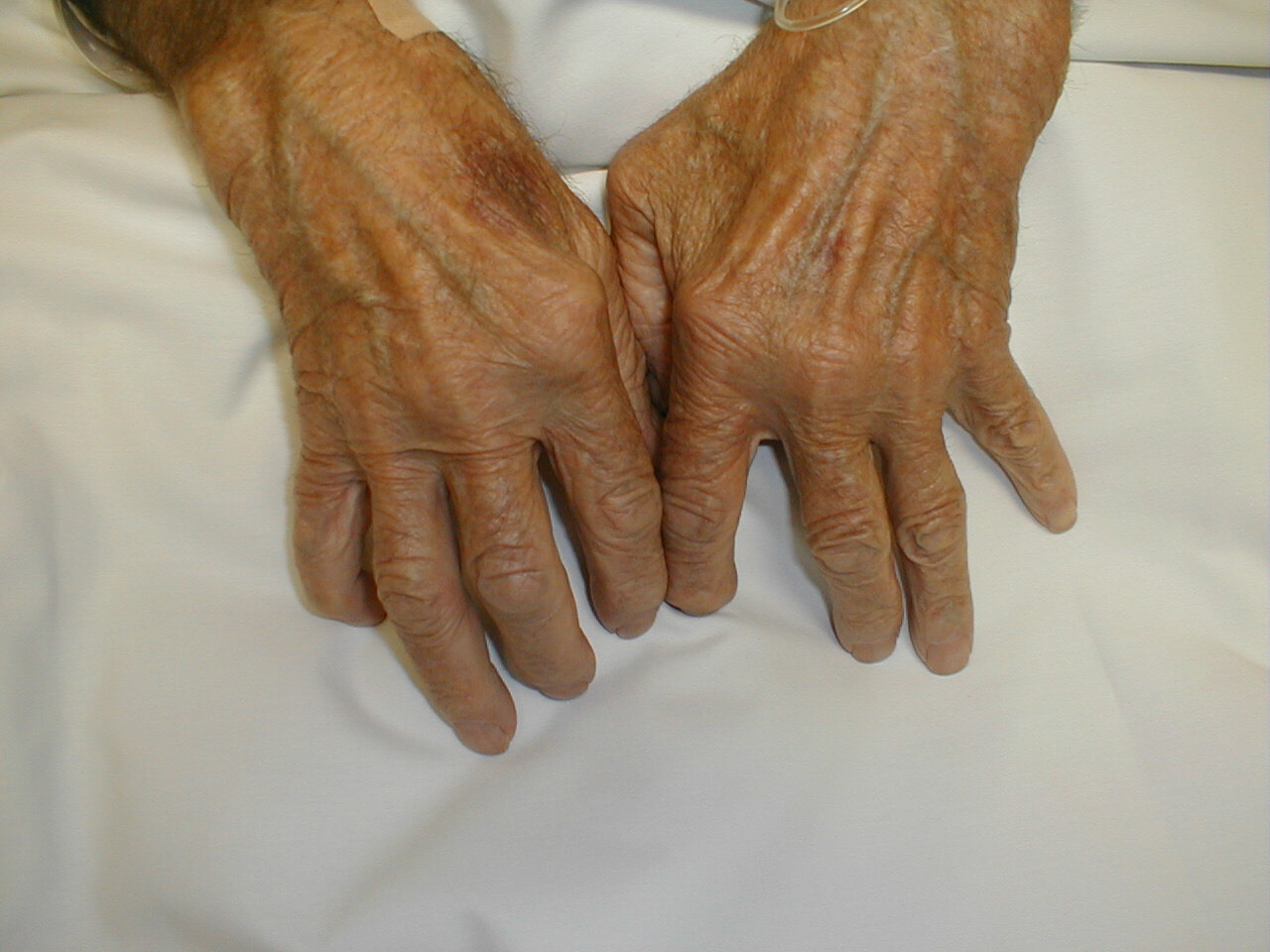
Rheumatoid arthritis (RA) is an inflammatory autoimmune disease that is characterized by the destruction of joint cartilage and inflammation of the synovium (joint fluid) (Abbas et al., 1994). The joints of the extremities, particularly the metacarpophalangeal, interphalangeal, and wrist joints, are the primary diseased sites, but as the disease progresses, the larger joints, especially the knees, can also be affected. The disease is an inflammatory arthritis that involves stiffness, pain, swelling, and erythema. As the disease progresses, osteoporosis of the contiguous bone, destruction of joint cartilage, bone resorption, and displacement by ankylosis occur. Subcutaneous nodules may also form at pressure points, particularly on the anterior side of the forearms, in 15-20% of reported cases. Systemic complications include damage to various organs (lungs, pleura, pericardium, myocardium, eyes, and central nervous system) due to inflammatory reactions. The outcome of the disease varies among patients, ranging from complete recovery to total incapacitation within years of the onset of the disease. In the most severe cases, vasculitis may occur. Women represent 75% of the reported cases of RA. There are two major peaks of incidence with regard to age: one between 30 and 40 years and one between 50 and 60 years (Bach, 1982).

Early experimental work focused on the importance of B-cells in the pathology of RA. Later interest has focused on T-cells. Observations that RA is strongly associated with certain MHC (major histocompatibility complex) alleles and that activated T-cells are found in affected joints have indicated that much focus should be given to cell-mediated immune responses. Whether activated T-cells initially respond to a microbial antigen, superantigen, or self-constituent is unclear to date (Chini et al., 2002).


http://www.topnews.in/health/files/angela2.jpg

Immunology and the Causes of RA
The development of lesions in rheumatoid arthritis appears to include both cell-mediated and humoral responses. Early research aimed at identifying the cells present in the inflamed synovium, and it has been concluded that CD4+ T-cells, activated B-lymphocytes, and plasma cells, as well as well-formed lymphoid follicles with germinal centers (in more severe cases), are present in the synovium of patients diagnosed with RA (Abbas et al., 1994). T-cells are the dominant cell type in the synovial filtrate of patients with RA, and there is at least a partial therapeutic effect of T-cell depletion for these patients (Berner et al., 2000). Current understanding of RA suggests that TH1 cells that are specific for a particular antigen (which has yet to be identified) are present in the joints of people with RA. This antigen activates T-cells to release lymphokines that cause local inflammation at the joints. The clinical manifestations of this inflammation include swelling, accumulation of polymorphonuclear leukocytes and macrophages at the site of inflammation, cartilage damage, and, thus, destruction of the joint (Janeway et al., 2001).

T-cells are the dominant type of cell that infiltrates the synovial membrane in RA. In many patients, the lymphocytes that infiltrate the tissues are organized into follicles that are structurally similar to germinal centers, which strongly supports the idea that RA is an antigen-driven immune response. Recent studies, however, have focused on the possibility that T-cells have an alternative role besides antigen recognition in the joints. Irregularities are found in the global and synovial T-cell receptor (TCR) repertoire of RA patients. The T-cell repertoire shows an emergence of clonal T-cell populations. CD4 T-cell clones are present uniformly in circulation and infiltrate into synovial lesions. CD8 T-cells clones are also found in patients with RA; although these clones are not limited to RA patients, they are larger and more frequent in people with the disease. CD4 T-cells are autoreactive to ubiquitous antigen, do not express the CD28 molecule, and do not require costimulatory signals to secrete cytokines. A study performed at the Mayo Clinic in 2002 found that RA is associated with a generalized defect in diversity maintenance of the TCR repertoire. This results in clonal expression of peripheral T-cells and repertoire contraction. Of significance, the researchers found that these irregularities involve memory and naïve T-cells, which suggests that the abnormality is a defect in T-cell homeostasis, rather than a consequence of antigen-recognition in the synovium. Specifically, the study showed that the CD4 TCR beta-chain diversity is limited in RA patients. Loss in diversity leads to the insufficient influx of ‘novel’ T-cells. Peripheral T-cells respond by replicating vigorously to compensate for the loss of new production, and clonal populations are formed. The multiclonal T-cells proliferation and the associated repertoire contraction have important implications for the course of the disease. It appears that the T-cell clones recognize a ubiquitously distributed autoantigen in RA patients. A recent study by Kouskoff et al. describes that transgenic mice expressing a TCR that recognizes self-MHC molecules develops arthritis that resembles RA but no other autoimmune diseases. To date, however, the autoantigen remains to be elucidated (Wagner et al., 1998).

Unusual distortions of the naïve T-cell repertoire have also been examined. These defects have led researchers to conclude that abnormal T-cell development and differentiation occurs in RA; autoimmunity could be caused by the inappropriate development and maturation of T-cells. RA patients appear to have fewer naïve T-cells with atypical phenotypes as compared to controls; these data suggest abnormal T-cell proliferation and phenotypic differentiation occur in response to inflammatory stimuli in patients with RA. These atypical cells appear to have a reduced threshold for activation and may bypass lymph nodes in favor of peripheral sites, which, during an infection, can lead to autoreactivity (Ponchel et al., 2002). Following this line of thought, hyperfunctioning T-cells could secrete local mediators in the synovial fluid, leading to arthritis. This hypothesis is supported by the fact that numerous T cells are found in the synovium of affected individuals. Also, injection of T-cell culture supernatants can induce inflammatory arthritis that resembles the clinical manifestations of RA. In this scenario, immune complex formation may be caused by T-cell hyperfunction through a helper effect, and the immune complexes would cause certain symptoms, including nodules and vasculitis (Bach, 1982).
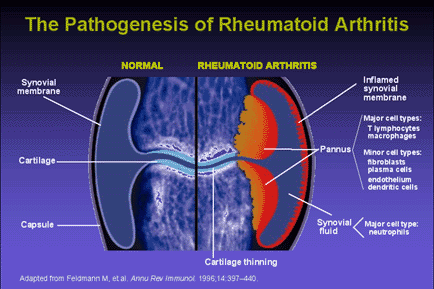
Fig. 2 The Pathogenesis of Rheumatoid Arthritis. The development of lesions in rheumatoid arthritis appears to include both cell-mediated and humoral responses. CD4+ T-cells, activated B-lymphocytes, and plasma cells, as well as well-formed lymphoid follicles with germinal centers (in more severe cases), are present in the synovium of patients diagnosed with RA. T-cells are the dominant cell type in the synovial filtrate of patients with RA. Cytokine secretion by activated T-cells leads to an inflamed synovium and the formation of pannus (Abbas et al., 1994).


http://www.arxmanhealth.com/wp-content/uploads/2008/11/rheumatoid_arthritis.jpg

Treatments
Anti-TNF-alpha Treatments
Cytokines are protein mediators that are implicated in nearly all biological processes, including cell growth, differentiation, inflammation, and immunity. In patients with RA, nearly all cytokines are expressed in RA tissue in a continuous fashion. Researchers previously thought that targeting the blockade of a particular cytokine would be an ineffective therapeutic treatment since, they supposed, other cytokines would take over the role of the blocked cytokine. Research with RA has led them to a different hypothesis. IL-1 has been shown to induce the destruction of cartilage and bone, and five signals present in the RA synovium (IFN-gamma, GM-CSF, TNF-alpha, immune complexes, and IL-1 itself) help to regulate IL-1 production. However, a study done at the Kennedy Institute of Rheumatology found that blocking TNF-alpha abolished IL-1 bioactivity. Anti-TNF antibodies were also found to downregulate GM-CSF, IL-6, and IL-8. Researchers determined that pro-inflammatory cytokines are co-regulated, and the key inflammatory cytokines are TNF-alpha and IL-2. This led the way for the development of anti-TNF-alpha treatments; both soluble-receptor antagonists and cytokine antibodies have been developed as anti-TNF-alpha therapies (Feldmann et al., 1999).

Medications Commonly Used to Treat Rheumatoid Arthritis (Rang et al., 1995)
Four types are medications are commonly used to treat rheumatoid arthritis. These include aspirin and other nonsteroidal anti-inflammatory drugs (NSAIDs), disease-modifying antirheumatic drugs (DMARDs), immuno-suppressants, and corticosteroids (glucocorticoids).

NSAIDs have three major types of effect. They are anti-inflammatory agents; they have an analgesic effect (reduction of pain); and they have an antipyretic effect (lowering of raised temperature). Examples of these drugs include, but are not limited to, plain aspirin, buffered aspirin, ibuprofen (Advil ®, Motrin IB ®), ketoprofen (Orudis®), naproxen (Naprosyn®), celecoxib (Celebrex®), and rofecoxiv (Vioxx®).
Anti-inflammatory effects: The primary action of the drugs is to inhibit arachidonate cyclo-oxygenase and, thus, to inhibit the production of prostaglandins and thromboxanes. One type of cyclo-oxygenase, COX-2, is induced in activated inflammatory cells and is the enzyme that produces the prostanoid inflammatory mediators. NSAIDs reduce the components of inflammation that are caused by COX-2 action, which include vasodilation, edema, and pain. These drugs have no effect on the processes that contribute to tissue destruction in RA; they simply reduce the generation of toxic O2 products and inhibit lymphocyte activation.
Antipyretic effects: NSAIDs inhibit prostaglandin production in the hypothalamus. During an inflammatory reaction, macrophages release IL-1, which stimulates the generation of E-type prostaglandins in the hypothalamus, which elevate the body temperature of the individual. NSAIDs, thus, act to reduce body temperature when it is raised above normal levels.
Analgesic effects: NSAIDs are effective against pain that is caused by prostaglandins acting on nociceptors (ie. pain associated with inflammation or tissue damage). Decreased prostaglandin production leads to less sensitization of nociceptic nerve endings to the inflammatory mediators, bradykinin and 5-hydroxytryptamine (Rang et al., 1995).

DMARDs are distinct from NSAIDs in that they do more than simply alleviate the symptoms of RA. They are used to alter the course of the disease and prevent joint and cartilage destruction. Three types of DMARDs are widely used; these include gold compounds (Myochrysine®, Ridaura®), penicillamine (Cuprimine®, Depen®), and chloroquine (Plaquenil®). Although their mechanisms of action have not been fully elucidated, their effects have had a profound effect on RA patients.
Gold Compounds: Gold compounds help to stop the progression of bone and joint damage in RA. Pain and joint swelling are reduced when these drugs help to reduce the concentration of rheumatoid factor. Although the exact mechanism of action is not fully understood, any or all of the following effects can contribute to the mechanism: inhibition of mitogen-induced lymphocyte proliferation, reduction of lysosomal enzymes, reduction in the production of toxic O2 metabolites from phagocytes, inhibition of chemotaxis of neutrophils, and reduction in IL-2 production.
Penicillamine: Penicillamine prevents the maturation of newly synthesized collagen. Although the mechanism of action is not fully understood, it has been observed that joint swelling subsides, nodules disappear, and IL-1 production is reduced. About 75% of patients with RA respond to this treatment.
Chloroquine: Anti-malarial drugs cause remission of RA but do not stop bone destruction. They inhibit mitogen-induced lymphocyte proliferation and decrease leukocyte chemotaxis. They also reduce IL-1 production (Rang et al., 1995)

Immuno-suppressants, which are considered DMARDs, restrain an overly-active immune system. These drugs include cyclosporine (Sandimmune®, Neoral®) and cytotoxic agents such as azathioprene (Imuran®).
Cyclosporine: Cyclosporine suppresses both cell-mediated and humoral responses. It acts on T-lymphocytes at the induction stage to stop clonal proliferation. The transduction pathway for lymphokine synthesis is inhibited, mainly the production of IL-2. It also inhibits IL-2 receptor expression on T-cells that respond to IL-2. The induction of cytotoxic T-cells is also inhibited. B-cell responses are suppressed because lymphokine synthesis and secretion from activated T-cells is inhibited.
Azathioprine: Azathioprine is metabolized to give mercaptiopurine, which is a purine analogue that inhibits DNA synthesis. This drug depresses both cell-mediated and humoral responses since it inhibits clonal proliferation by a cytotoxic action on dividing cells (Rang et al., 1995).

Corticosteroids have anti-inflammatory and immunosuppressive effects. They include prednisone (Deltasone®, Orasone®), hydrocortisone, dexamethasone, and methylprednisolone (Medrol®). These drugs reduce vasodilation and decrease fluid exudation. In areas of acute inflammation, they decrease the number and activity of leukocytes (decreased action of T-helper cells and reduced clonal proliferation of T-cells due to decreased production of IL-2; decreased release of monocytes and increased number of neutrophils from the bone marrow). In areas of chronic inflammation, the activity of mononuclear cells is decreased. In lymphoid areas, there is decreased clonal expansion of T- and B-cells and decreased action of cytokine-secreting T-cells. These drugs decrease the production of many cytokines, including IL-1, IL-2, IL-3, IL-4, IL-5, Il-6, IL-8, TNF-alpha, and GM-CSF. They also help to decrease the complement component in the blood. Overall, they reduce chronic inflammation and autoimmune reactions. Glucocorticoids act by interacting with intracellular receptors; the steroid-receptor complex interacts with DNA to modify gene transcription. These drugs perform their anti-inflammatory and immunosuppressive actions as follows: inhibition of transcription of the gene for COX-2; blockage of vitamin-D3-mediated induction of the osteocalcin gene in osteoclasts and modification of the transcription of the collagenase gene; and increased synthesis of an anti-inflammatory mediator protein (lipocortin 1) which inhibits phospholipase A2 and blocks the production of platelet-activating factor (Rang et al., 1995).

Arthritis-symptoms arthritis-rheumatoid arthritis-osteoarthritis-treatment arthritis

This information is about arthritis. It covers what it is, what forms it takes, how to deal with it, and how to avoid worthless quack remedies.

The term "arthritis" covers many diseases that affect the joints, causing pain, inflammation, and other changes. Arthritis is often confused with other conditions that cause similar pain, like arthralgia, rheumatism, bursitis, and fibrositis. But these conditions may not actually affect the joints -- and arthritis does.

The most common forms of arthritis are osteo-arthritis, rheumatoid arthritis, and gout. This message will focus on osteo-arthritis and rheumatoid arthritis.
http://www.bareinspirations.com/wp-content/uploads/2008/11/arthritis.jpg
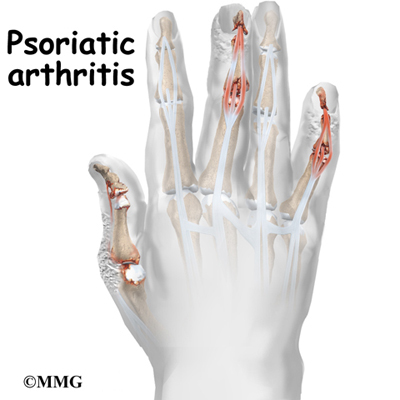
Arthritis is a painful inflammation of one or more bone joints. Sometimes, it will affect neighboring structures such as muscles -- or even organs such as the kidneys or lungs. Arthritis tends to be chronic. It may trouble you continuously -- or on-and-off at unpredictable times. In many people the effects are mild, but some people are physically disabled by it. Most victims are adults, but children can develop arthritis too.

Osteo-arthritis, or degenerative joint disease, often affects older people. Over the years, joints tend to wear out. In addition, some older women suffer a softening of the bones at the joints, due to osteoporosis. Excess weight can worsen existing osteo-arthritis -- or increase the tendency to develop this condition.

Rheumatoid arthritis often starts in young adults and flares up in middle age. The condition is more common in women than in men. The causes of rheumatoid arthritis are complex and not perfectly understood.

http://www.nlm.nih.gov/medlineplus/ency/images/ency/fullsize/17130.jpg
Although arthritis is often a chronic condition, its symptoms can be relieved by expert medical treatment. The first step is a thorough evaluation by a doctor, including special laboratory tests. The doctor will prescribe the treatment best suited to the individual case, and then follow the progress of the treatment, adjusting it as necessary. This is the only effective way to deal with arthritis.

Unfortunately, however, arthritis victims are often the targets of people who profit from the suffering of others by selling so-called "cures" that are worthless or even harmful. Worthless cures such as copper bracelets and "miracle diets" can appear to work temporarily -- because arthritis can suddenly die down by itself. If a temporary improvement happens to follow a quack "cure," it can make the cure seem effective. But it isn't, really, and the victim has paid good money for nothing. But even if a quack remedy is medically harmless, the victims still suffer because they avoid or delay obtaining sound medical treatment.

http://www.eorthopod.com/images/ContentImages/arthritis/arthritis_psoriatic/arthritis_psoriatic_intro01.jpg
Not all treatments for arthritis are medically harmless. Some rely on massive injections of corticosteroids -- powerful drugs that are easily misused. Though this treatment can be very effective, it must be closely monitored for serious side effects. Early treatment can help control inflammation, preserve mobility, and reduce pain. But if expert medical help is delayed until the condition is more severe, then treatment cannot be as effective.

So, if you think you may have arthritis, see your regular health care provider for a complete evaluation. Follow the treatment plan tailored to your individual condition. Above all, don't experiment with any so-called treatment that has not been prescribed by your doctor. By following this plan, many people prevent their arthritis from ever becoming severe or difficult.

Please remember these key points:

  • Arthritis is the name for several diseases that affect the joints.
  • Arthritis cannot be cured, but it can be relieved, and in many cases controlled.
  • The key to dealing with arthritis is evaluation and care by your health care provider, including a prescribed program of self-care and medication.
  • Don't be tempted by other so-called "cures." Many are worthless and often expensive, they can delay the start of professional care, and they can be medically dangerous.

weight loss-weight loss pills-Alli - A New Drug for Weight Loss- weight loss how to-fast weight loss

Alli - A New Drug for Weight Loss,
Tags::weight loss pills,quick weight loss,weight loss how to,
Orlistat helps overweight adults (age 18 years and older) to lose weight. You
should only take it when you are eating healthy, lowfat foods with fewer calories. In the past, you could only buy orlistat with a prescription from your doctor. Now you can buy orlistat at most pharmacies over the counter as " alli."

http://weight-loss-naturally.org/main/images/stories/food/Healthy%20Weight%20Loss.jpg

It has been found that many people do not keep taking orlistat after a few months. There are 2 reasons for this. Either orlistat has not been very helpful with losing weight, or people find out that they don’t like the side effects.


All medicines have side effects. If you decide to use orlistat, it is important
to understand how this medicine works and how it can affect you. Remember that the best way to reach a healthy weight is through making changes in the way you live day to day. Eating healthy foods and being more active is the best way to lose weight safely and permanently.

http://www.fastweightlosswithtips.com/sites/nbucyana/_files/image/weight-loss-simulator.jpg

How does orlistat work?

• Orlistat works in your intestines. It stops some of the fat in the food you eat from being digested and absorbed. This unabsorbed fat passes out of your body in your bowel movements. This helps lower the number of calories you take in and helps you lose weight.

• You should eat low-fat foods (less than 30% of calories from fat at each meal) while taking orlistat. This will help you lower your chances of having unwanted side effects as well as help keep the weight off.

Do not use orlistat:

• If a doctor or other health care professional has said you have problems
digesting food and absorbing nutrients.

• If you are taking cyclosporine (a medicine to prevent rejection in people
who have had organ transplants).

• If you are pregnant or breastfeeding
your baby.

• If you are already at a healthy weight.

• If you are under age 18.

• Orlistat may not be right for you if you have gallbladder problems, kidney
stones, or pancreatitis, or if you are taking warfarin or Coumadin® (blood
thinning medicine), or medicine for diabetes or thyroid disease.

If any of these apply to you, check with your doctor first before taking orlistat.

What are the common side effects from taking orlistat?

• Because orlistat stops the digestion and absorption of fat in your intestines, you will likely have changes in your bowel habits. You may have gas with oily spotting or loose stools. You could also have more frequent bowel movements that may be hard to control. These side effects might go on as long as you use orlistat. Or, the side effects may go away after your body gets used to the medication.

• The more low-fat foods you eat, the less chance you will have side effects. Taking a daily fiber product may also help lessen side effects.

How much weight will I lose by taking orlistat?

• The amount of weight you lose will depend on 3 things: taking orlistat on a
regular basis, sticking to low-calorie
and low-fat foods, and doing more
physical activity such as walking every day.

• For every 5 pounds you lose from diet alone, orlistat can help you lose 2-3 pounds more. During studies of orlistat in people who were overweight, most people lost 5-10 pounds over 6 months. Weight loss from orlistat tends to level off after about 6 months of use.

• If you do not lose at least 4 pounds in the first month of using orlistat, you should consider stopping orlistat. This is a sign that orlistat is not a good choice to help you with losing weight.

What else should I know about taking orlistat?

• The recommended amount to take (the dose) is 1 capsule (60 mg) with each meal that has fat in it. Do not take more than 3 capsules in one day.

• Your body won’t absorb or use some vitamins very well as a result of taking orlistat. It is important to also take 1 multivitamin pill each day. It is best to take this at bedtime, or at least 2 hours before or after taking orlistat.

• If you get bad stomach pain or cramps, stop using orlistat and talk with your
doctor right away. This may be a sign of a serious medical condition.

http://www.haiya.co.ke/files/imagecache/full/files/quick-weight-loss.jpg

How can I get more information about managing my weight?

• Talk with your doctor.

• Five a day

• Healthy Food Choices

• Diets Don't Work

Word List

bowel (also called the large intestine): the lower parts of the digestive system.

bowel movements: going to the bathroom and to release the digested food.

diabetes: when sugar in the blood is higher than it should be.

gallbladder: the sack where bile is kept. Bile aids in the digestion of fats.
Stopping the flow of bile out of the gallbladder causes gallbladder disease.

kidney: an organ that cleans the blood and makes urine.

kidney stones: a solid mass of tiny crystals in the kidney.

nutrients: the vitamins, minerals, and other parts of food important to your
health.

http://www.insightempire.com/extreme-weight-loss-stories/Extreme%20Weight%20Loss%20Stories.jpg

orlistat (alli™): “or lis tat” is a drug to help you lose weight. alli is a drug
company name for orlistat.
over the counter medicine: (also called nonprescription medicine) that does not need a doctor’s approval to buy.

pancreas: a gland that produces chemicals that are important for digestion.

pancreatitis: a disease when the pancreas does not work right.
prescription: a written form signed by a doctor for a medicine.

thyroid: a gland whose function is to control things such as digesting food.

Latex Allergy-Allergy-Allergies-Causes-Medication-Treatments-Skin care

Latex products are manufactured from a milky fluid derived from the rubber tree, Hevea brasiliensis. Several chemicals are added to this fluid during the processing and manufacture of commercial latex. Some proteins in latex can cause a range of mild to severe allergic reactions. Currently available methods of measurement do not provide easy or consistent identification of allergy-causing proteins (antigens) and their concentrations. Until well-accepted standardized tests are available, total protein serves as a useful indicator of the exposure of concern. The chemicals added during processing may also cause skin rashes. Several types of synthetic rubber are also referred to as "latex," but these do not release the proteins that cause allergic reactions.

Products containing latex

A wide variety of products contain latex: medical supplies, personal protective equipment, and numerous household objects. Most people who encounter latex products only through their general use in society have no health problems from the use of these products. Workers who repeatedly use latex products are the focus of this alert. The following are examples of products that may contain latex:

http://georgiahealthinfo.gov/cms/files/global/images/image_popup/r7_contactdermatitis.jpg

Emergency equipment
Blood pressure cuffs
Stethoscopes
Disposable gloves
Oral and nasal airways
Endotracheal tubes
Tourniquets
Intravenous tubing
Syringes
Electrode pads
Protective supplies
Gloves
Surgical masks
Goggles
Dental dams
Rubber aprons
Office supplies
Rubber bands
Erasers
Hospital supplies
Anesthesia masks
Catheters
Wound drains
Injection ports
Rubber tops of multidose vials
Respirators
Household items
Automobile tires
Motorcycle and bicycle handgrips
Carpeting
Swimming goggles
Racquet handles
Shoe soles
Expandable fabric (waistbands)
Dishwashing gloves
Hot water bottles
Condoms
Diaphragms
Balloons
Pacifiers
Baby bottle nipples

http://www.latexallergy.ndo.co.uk/Skin_photos_006.jpg

Individuals who already have latex allergy should be aware of latex-containing products that may trigger an allergic reaction. Some of the listed products are available in latex-free forms.

Latex in the workplace

Workers in the health care industry (physicians, nurses, dentists, technicians, etc.) are at risk for developing latex allergy because they use latex gloves frequently. Also at risk are workers with less frequent glove use (hairdressers, housekeepers, food service workers, etc.) and workers in industries that manufacture latex products.


http://64.143.176.9/library/healthguide/en-us/images/media/medical/hw/h9991285_007.jpg

Types of reactions to latex

Three types of reactions can occur in persons using latex products:

  • Irritant contact dermatitis
  • Allergic contact dermatitis (delayed hypersensitivity)
  • Latex allergy

Irritant contact dermatitis

The most common reaction to latex products is irritant contact dermatitis -- the development of dry, itchy, irritated areas on the skin, usually the hands. This reaction is caused by skin irritation from using gloves and possibly by exposure to other workplace products and chemicals. The reaction can also result from repeated hand washing and drying, incomplete hand drying, use of cleaners and sanitizers, and exposure to powders added to the gloves. Irritant contact dermatitis is not a true allergy.

Chemical sensitivity dermatitis

Allergic contact dermatitis (delayed hypersensitivity, also sometimes called chemical sensitivity dermatitis) results from exposure to chemicals added to latex during harvesting, processing, or manufacturing. These chemicals can cause skin reactions similar to those caused by poison ivy. As with poison ivy, the rash usually begins 24 to 48 hours after contact and may progress to oozing skin blisters or spread away from the area of skin touched by the latex.

Latex allergy

Latex allergy (immediate hypersensitivity) can be a more serious reaction to latex than irritant contact dermatitis or allergic contact dermatitis. Certain proteins in latex may cause sensitization (positive blood or skin test, with or without symptoms). Although the amount of exposure needed to cause sensitization or symptoms is not known, exposures at even very low levels can trigger allergic reactions in some sensitized individuals.

Reactions usually begin within minutes of exposure to latex, but they can occur hours later and can produce various symptoms. Mild reactions to latex involve skin redness, hives, or itching. More severe reactions may involve respiratory symptoms such as runny nose, sneezing, itchy eyes, scratchy throat, and asthma (difficult breathing, coughing spells, and wheezing). Rarely, shock may occur; but a life-threatening reaction is seldom the first sign of latex allergy. Such reactions are similar to those seen in some allergic persons after a bee sting.

Who is at risk?

Workers with ongoing latex exposure are at risk for developing latex allergy. Such workers include health care workers (physicians, nurses, aides, dentists, dental hygienists, operating room employees, laboratory technicians, and hospital housekeeping personnel) who frequently use latex gloves and other latex-containing medical supplies. Workers who use latex gloves less frequently (law enforcement personnel, ambulance attendants, funeral-home workers, fire fighters, painters, gardeners, food service workers, and housekeeping personnel) may also develop latex allergy. Workers in factories where latex products are manufactured or used can also be affected.

Atopic individuals (persons with a tendency to have multiple allergic conditions) are at increased risk for developing latex allergy. Latex allergy is also associated with allergies to certain foods especially avocado, potato, banana, tomato, chestnuts, kiwi fruit, and papaya. People with spina bifida are also at increased risk for latex allergy.

Diagnosing latex allergy

Latex allergy should be suspected in anyone who develops certain symptoms after latex exposure, including nasal, eye, or sinus irritation; hives; shortness of breath; coughing; wheezing; or unexplained shock. Any exposed worker who experiences these symptoms should be evaluated by a physician, since further exposure could result in a serious allergic reaction. A diagnosis is made by using the results of a medical history, physical examination, and tests.

Taking a complete medical history is the first step in diagnosing latex allergy. In addition, blood tests approved by the Food and Drug Administration (FDA) are available to detect latex antibodies. Other diagnostic tools include a standardized glove-use test or skin tests that involve scratching or pricking the skin through a drop of liquid containing latex proteins. A positive reaction is shown by itching, swelling or redness at the test site. However, no FDA-approved materials are yet available to use in skin testing for latex allergy. Skin testing and glove-use tests should be performed only at medical centers with staff that is experienced and equipped to handle severe reactions.

Testing is also available to diagnose allergic contact dermatitis. In this FDA-approved test, a special patch containing latex additives is applied to the skin and checked over several days. A positive reaction is shown by itching, redness, swelling, or blistering where the patch covered the skin.

Occasionally, tests may fail to confirm a worker who has a true allergy to latex, or tests may suggest latex allergy in a worker with no clinical symptoms. Therefore, test results must be evaluated by a knowledgeable physician.

Treating latex allergy

Once a worker becomes allergic to latex, special precautions are needed to prevent exposures during work as well as during medical or dental care. Certain medications may reduce the allergy symptoms, but complete latex avoidance (though quite difficult) is the most effective approach. Many facilities maintain latex-safe areas for affected patients and workers.

Insect Stings-Symptoms-Allergy-Allergies-Causes-Medication-Treatments-Skin care

Insect and spider bites can cause an allergic reaction. Stinging insects (such as bumblebees, yellow jackets, hornets, wasps, and fire and harvester ants) are more likely to cause an allergic reaction than biting insects (mosquitoes, horseflies, deerflies, spiders, bedbugs, and black flies).


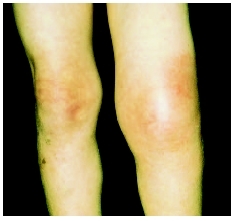
Most bites and stings do not require emergency medical care. However, approximately 0.5% of the population develop severe allergic reactions (anaphylaxis) to insect stings.http://www.insectstings.co.uk/images/systemic1.jpg

Allergic reactions to insect bites or stings occur very quickly, usually within minutes. Severe reactions, although rare, can be rapidly fatal if untreated.

Symptoms

Common symptoms include:

  • Red, swollen, or warm lump
  • Hives
  • Rash
  • Itching, tingling, numbness, burning, tenderness, pain

Serious allergic reactions (anaphylaxis) occur when symptoms spread. These can include difficulty breathing, dizziness, nausea, diarrhea, fever, muscle spasms, or loss of consciousness. Call for emergency medical help right away.

http://www.livestrong.com/ls_images/injury/0-999/7-19629.jpg

First aid for minor reactions

  • If the sting is from a honey bee, remove the stinger from the skin if it is still present. Carefully scrape the back of a knife or other thin straight-edged object across the stinger if the victim can remain still, and it is safe to do so. Otherwise, you can pull out the stinger with tweezers or your fingers, but avoid pinching the venom sac at the end of the stinger which will cause more venom to be released.
  • Wash the site thoroughly with soap and water.
  • Cover the site with a clean, cold compress or a clean, moist dressing to reduce swelling and discomfort.
  • Over the next 24 to 48 hours, observe the site for signs of infection (such as increasing redness, swelling, pain).
  • Sores from scratching can become infected. Keep bites clean and, to prevent infection, don't scratch.

First aid for serious reactions

http://www.visualdxhealth.com/images/dx/webChild/arthropodBiteorStingPediatric_31744_lg.jpg

If the victim is having a severe reaction or the victim has been stung inside the mouth or throat, call immediately for emergency medical assistance.

  • Check the victim’s airway, breathing, and circulation. If necessary, begin rescue breathing and CPR.
  • Reassure the victim. Try to keep him or her calm, as anxiety will worsen the situation.
  • Remove nearby rings and constricting items because the affected area may swell.
  • Use a special allergy first aid kit, if available. (Some people who have serious insect reactions carry it with them.)
  • If appropriate, treat the victim for signs of shock. Remain with the victim until medical help arrives.
http://www.healthofchildren.com/images/gech_0001_0002_0_img0146.jpg

Food Allergies-Tips for avoiding allergic reactions to foods -Allergy-Allergies-Causes-Medication-Treatments-Skin care

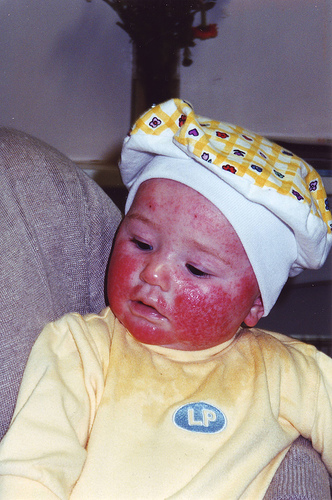
People often have an unpleasant reaction to something they ate and wonder if they have a food allergy. One out of three people either say that they have a food allergy or that they modify the family diet because a family member is suspected of having a food allergy. But only about six percent of children have clinically proven allergic reactions to foods. In adults, the prevalence of food allergy drops to about one percent of the total population.

http://supplementalscience.files.wordpress.com/2008/07/allergens.jpg

This difference between the clinically proven prevalence of food allergy and the public perception of the problem is in part due to reactions called "food intolerances" rather than food allergies. A food allergy, or hypersensitivity, is an abnormal response to a food that is triggered by the immune system. The immune system is not responsible for the symptoms of a food intolerance, even though these symptoms can resemble those of a food allergy.

Food allergies are caused by immunologic reactions to foods. There actually are several discrete diseases under this category, and a number of foods that can cause these problems.

http://apps.uwhealth.org/adam/graphics/images/en/19326.jpg

After one suspects a food allergy, a medical evaluation is the key to proper management. Treatment is basically avoiding the food(s) after it is identified. People with food allergies should become knowledgeable about allergies and how they are treated, and should work with their physicians.

It is extremely important for people who have true food allergies to identify them and prevent allergic reactions to food because these reactions can cause devastating illness and, in some cases, be fatal.

Treatment for Food Allergies::

Food allergy is treated by avoiding the problem foods. Once a patient and doctor have identified the food to which the patient is sensitive, the food must be removed from the patient's diet. To do this, patients must read lengthy, detailed ingredient lists on each food they are considering eating.

Many allergy-producing foods -- such as peanuts, eggs, and milk -- appear in foods one normally would not associate them with. Peanuts, for example, are often used as a protein source and eggs are used in some salad dressings. The FDA requires ingredients in a food to appear on its label. People can avoid most of the things to which they are sensitive if they read food labels carefully and avoid restaurant-prepared foods that might have ingredients to which they are allergic.

In highly allergic people even minuscule amounts of a food allergen (for example, 1/44,000 of a peanut kernel) can prompt an allergic reaction. Other less sensitive people may be able to tolerate small amounts of a food to which they are allergic.

Tips for avoiding allergic reactions to foods

  • Be aware of the foods that cause your symptoms.
  • Learn to read food labels carefully.
  • When dining out, ask about the ingredients used in preparing the dish before tasting the food.
  • If you experience symptoms, avoid any further contact with that food item, rinse your mouth and see a doctor.

Be prepared

http://kylie.files.wordpress.com/2006/07/babybellaexcema.jpg

Patients with severe food allergies must be prepared to treat an inadvertent exposure. Even people who know a lot about what they are sensitive to occasionally make a mistake. To protect themselves, people who have had anaphylactic reactions to a food should wear medical alert bracelets or necklaces stating that they have a food allergy and that they are subject to severe reactions.

Special precautions are warranted with children. Parents and caregivers must know how to protect children from foods to which the children are allergic and how to manage the children if they consume a food to which they are allergic. Schools must have plans in place to address any emergency.

Animal Allergies-Allergy-Allergies-Causes-Medication-Treatments-Skin care

Household pets are the most common source of allergic reactions to animals. Many people think that pet allergy is provoked by the fur of cats and dogs. But researchers have found that the major allergens are proteins secreted by oil glands in the animals' skin and shed in dander, as well as proteins in the saliva, which sticks to the fur when the animal licks itself. Urine is also a source of allergy-causing proteins. When the substance carrying the proteins dries, the proteins can then float into the air.


http://www.allercure.com/cats.jpg

Cats may be more likely than dogs to cause allergic reactions because they lick themselves more and may be held more and spend more time in the house, close to humans.

Some rodents, such as guinea pigs and gerbils, have become increasingly popular as household pets. They, too, can cause allergic reactions in some people, as can mice and rats. Urine is the major source of allergens from these animals.

http://hustlerofculture.typepad.com/me_we/images/couch.jpg

Allergies to animals can take two years or more to develop and may not subside until six months or more after ending contact with the animal. Carpet and furniture are a reservoir for pet allergens, and the allergens can remain in them for four to six weeks. In addition, these allergens can stay in household air for months after the animal has been removed. Therefore, it is wise for people with an animal allergy to check with the landlord or previous owner to find out if furry pets had lived previously on the premises.

http://www.diypuppytraining.com/puppy.jpg

Preventive strategies

  • Remove pets from your home if possible.
  • If pet removal is not possible, keep them out of bedrooms and confined to areas without carpets or upholstered furniture.
  • Wear a dust mask and gloves when near rodents.
  • After playing with your pet, wash your hands and clean your clothes to remove pet allergens.
  • Avoid contact with soiled litter cages.
  • Dust often with a damp cloth.

Paste Not Allowed